
What Rhode Island homes are up against.
NOAA National Centers for Environmental Information, Storm Events Database, bulk CSV export, events 2015-01-01 through 2024-12-31. · U.S. Census Bureau, 2020-2024 American Community Survey 5-Year Estimates

A boiler running through Rhode Island's heating season gets almost no idle time to recover between demands. Homes in Rhode Island run heat about eight months a year, from October through May. That kind of sustained cycling loads the burner and ignition system in ways that compress the failure timeline: faults that might surface gradually in a milder run tend to arrive all at once here, at the moment the system is worked hardest. A contractor quoting a replacement or a repair looks at the full picture of how that load has been carried, because the state total tells you the season but not how well a particular boiler has held up inside it.

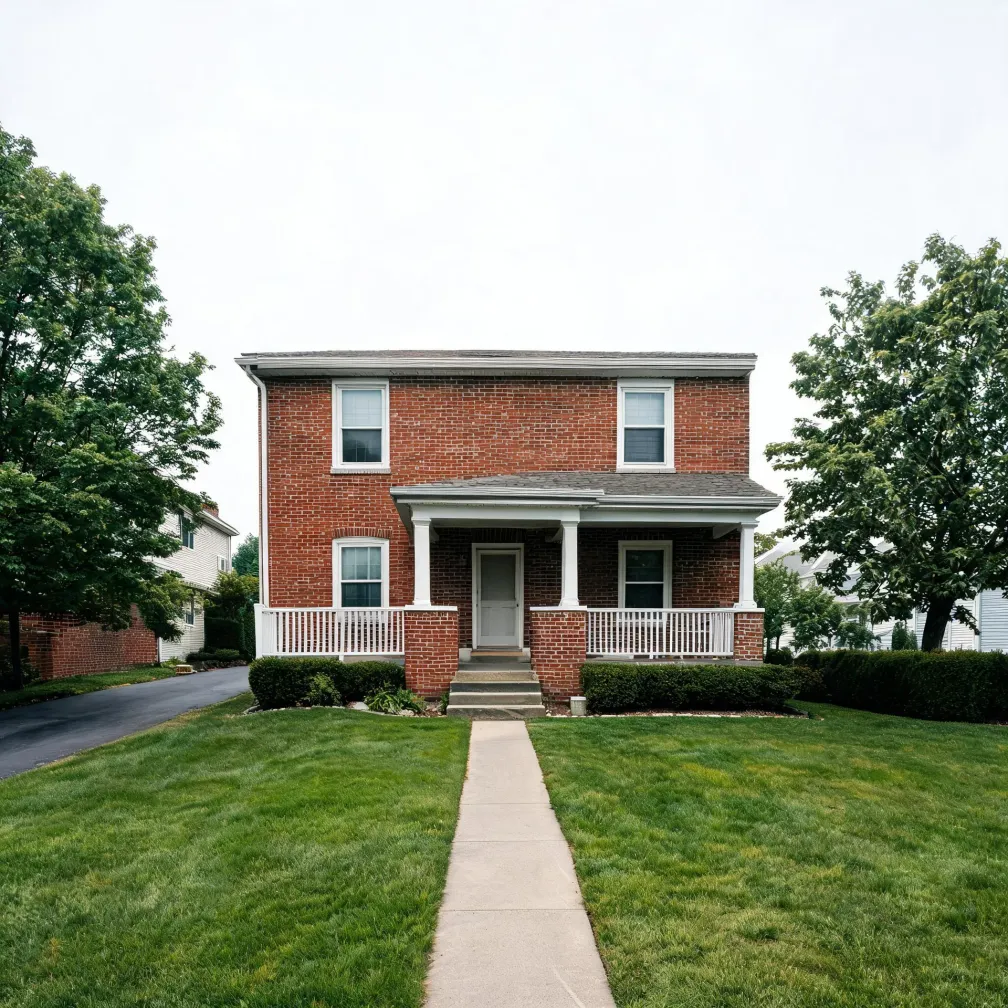
A quote for boiler work starts with what the contractor finds when they open things up, not with what the listing says about the house. Half the homes in Rhode Island were built in 1962 or earlier (2020-2024 ACS 5-year). Piping that has been spliced, zones that were added without documentation, and heat exchangers that were swapped out by a previous owner all show up differently in the field than they do in any description a homeowner can give. A contractor working in this state has to treat the existing system as unknown until they have physically traced it.
Does your part of Rhode Island put extra stress on HVAC equipment?
2015–2024 · Source: NOAA National Centers for Environmental Information, Storm Events Database.
A condenser sitting outside faces wind, ice, flood water, and heat that a unit rated for mild conditions was never built to handle. Where your county lands in this ranking shapes how a contractor thinks about equipment sizing, placement, and what the unit will be asked to survive over a typical season. The contractor you are matched with knows Rhode Island's exposure and uses that to spec the right equipment for your address.
Rhode Island HVAC Installation and Repair License Requirements
Rhode Island sets its own requirements for who can perform HVAC installation and repair work in the state. The provisions below are drawn directly from state authority, not paraphrased.
A Rhode Island master licensee needs no separate sheet metal licence while the air handling equipment is ten (10) tons or less, or the heating equipment does not exceed 250,000 BTUs; above either figure the sheet metal work must be subcontracted to a licensed sheet metal contractor.
A state license requirement means the work is reserved for contractors who have met Rhode Island's standards for this trade. Unlicensed individuals are not authorized to perform it on your home. The contractors this site routes requests to hold the license these provisions describe, and passing that filter is what happens before a request goes anywhere.
View the source provisions2 provisions
A Rhode Island master licensee needs no separate sheet metal licence while the air handling equipment is ten (10) tons or less, or the heating equipment does not exceed 250,000 BTUs; above either figure the sheet metal work must be subcontracted to a licensed sheet metal contractor.
Rhode Island requires a licence from the Department of Labor and Training to work in the mechanical trades: nobody may hold themselves out as a master, or advertise that they will install refrigeration and air conditioning or air distribution systems, without one.