Tell us about the job
Takes about a minute. No obligation.
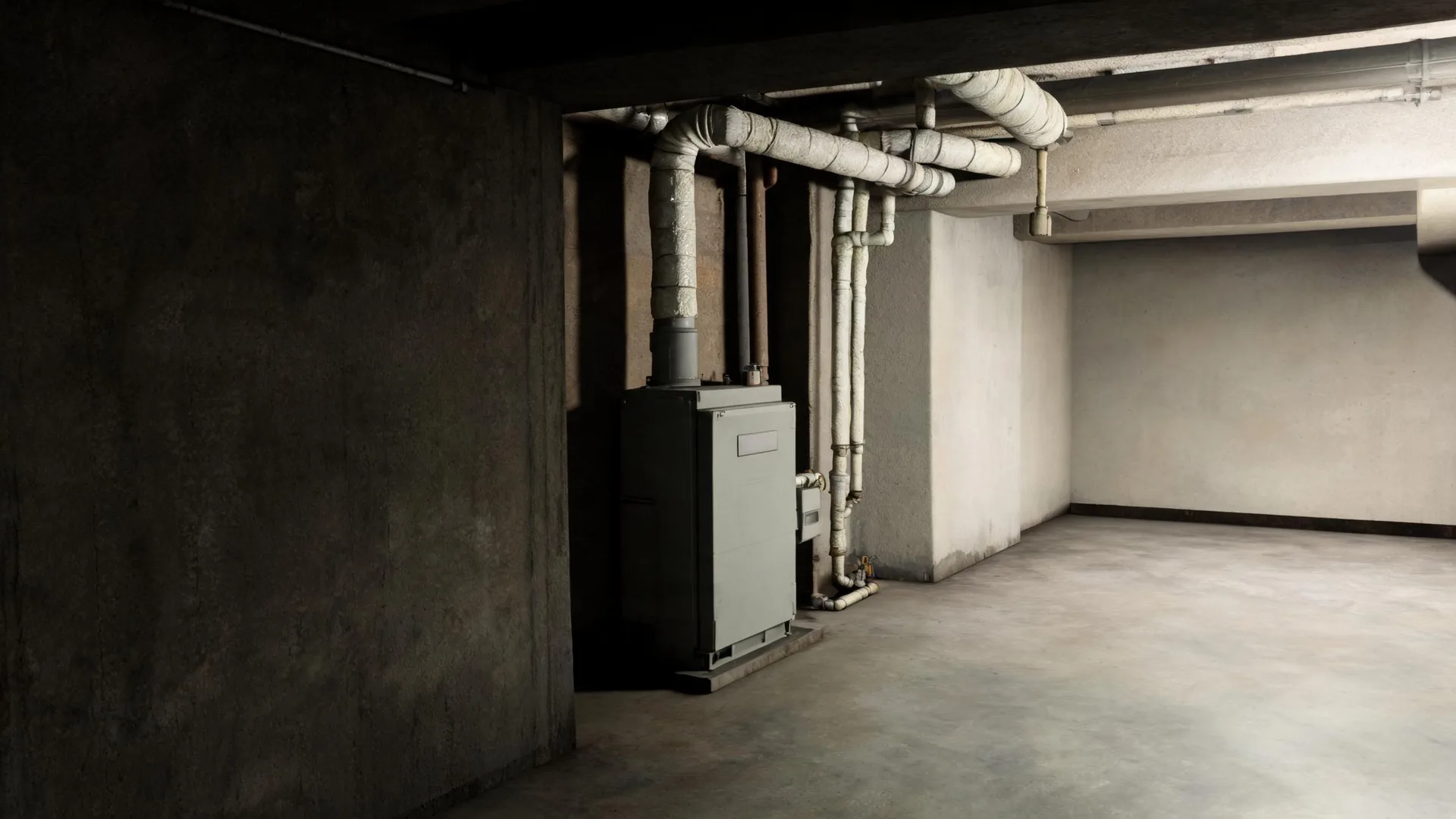
Sizing a boiler for a Newport County home starts with the burner and heat exchanger, because those are the parts that cycle through every call for heat from October to May. Homes in Newport County, RI run heat about eight months a year, from October through May. A contractor working through a load calculation here has to account for that sustained demand before settling on output, because an undersized unit runs long cycles and an oversized one short-cycles, and either pattern stresses the heat exchanger faster than a correct installation would. The ignition system takes the same punishment. Contractors who skip the manual load calculation and quote from square footage alone are leaving the homeowner with a unit that will show the error before long.
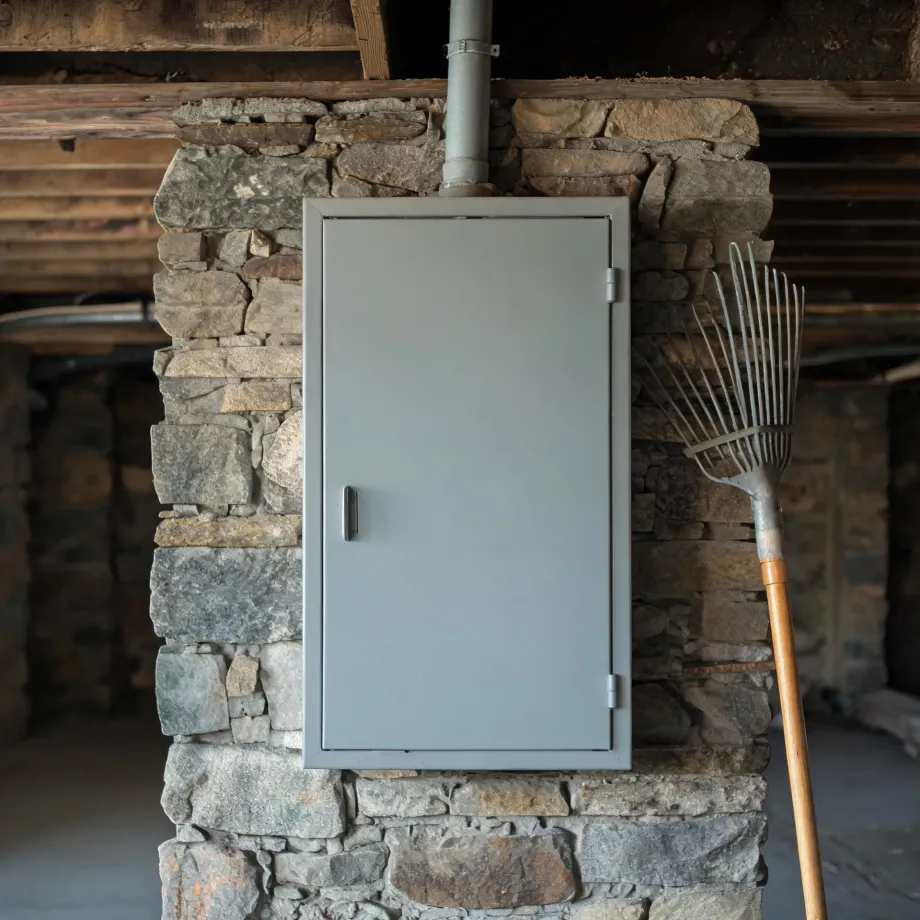
Ductwork in a house built for a boiler is one thing; the electrical service panel is another, and it is the one that stops jobs. Half the homes in Newport County, Rhode Island were built in 1963 or earlier (2020-2024 ACS 5-year). A house of that vintage was wired around loads that bear little resemblance to what modern heating equipment draws, and a service panel from that era often cannot accommodate a new system without an upgrade. The boiler a homeowner picks may fit the space perfectly, yet the panel decides whether it runs.
What Gets Installed With a New Boiler
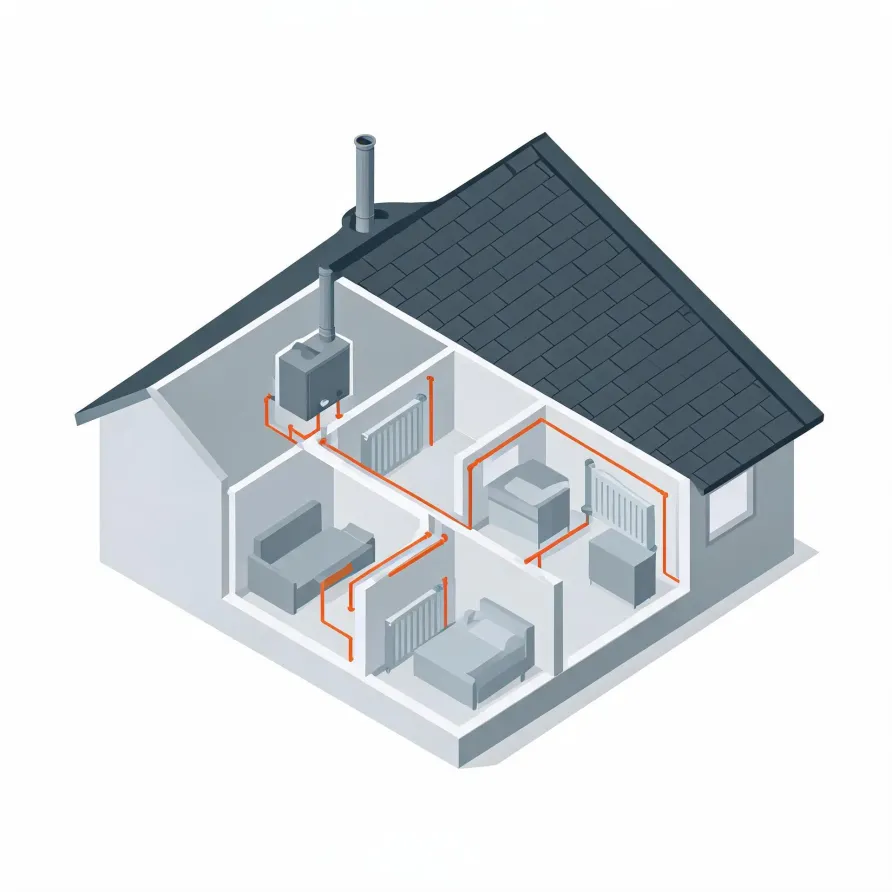
The boiler itself sits in a mechanical room, basement, or utility closet and is the central unit a contractor places first. From it, supply pipes carry heated water to radiators or baseboard units in each room. Those terminal units are what a homeowner sees and feels, mounted along walls or beneath windows.
The expansion tank mounts close to the boiler and absorbs pressure changes as water heats and cools. A circulator pump, also near the boiler, pushes water through the loop. The contractor also fits a pressure relief valve and any zone valves the layout calls for, positioning each one where the pipe arrangement allows.
The drawing shows a typical boiler system layout, and a licensed contractor determines which components and configurations apply to this house.
Find a contractor in Newport CountyNewport County, by the numbers
58 severe weather events were recorded in Newport County, Rhode Island between 2015 and 2024.
NOAA National Centers for Environmental Information, Storm Events Database, bulk CSV export, events 2015-01-01 through 2024-12-31.Half the homes in Newport County, Rhode Island were built in 1963 or earlier (2020-2024 ACS 5-year).
U.S. Census Bureau, 2020-2024 American Community Survey 5-Year EstimatesNewport County, Rhode Island holds 43,663 housing units (2020-2024 ACS 5-year).
U.S. Census Bureau, 2020-2024 American Community Survey 5-Year EstimatesOwners occupy 67.9% of the occupied homes in Newport County, Rhode Island (2020-2024 ACS 5-year).
U.S. Census Bureau, 2020-2024 American Community Survey 5-Year EstimatesBoiler & HVAC Installation Rules for Newport County, Rhode Island2 sourced codes, standards & licensing rules
Licensing Rules for HVAC Work in Newport County, Rhode Island
A Rhode Island master licensee needs no separate sheet metal licence while the air handling equipment is ten (10) tons or less, or the heating equipment does not exceed 250,000 BTUs; above either figure the sheet metal work must be subcontracted to a licensed sheet metal contractor.
Rhode Island requires a licence from the Department of Labor and Training to work in the mechanical trades: nobody may hold themselves out as a master, or advertise that they will install refrigeration and air conditioning or air distribution systems, without one.
Severe Weather Events in Newport County
Weather puts load on heating equipment. How hard a boiler has to work over its lifetime is a local fact, shaped by what this county's climate actually does.
58 severe weather events, 2015–2024. Source: NOAA National Centers for Environmental Information, Storm Events Database.