One valve, whole room
A cold radiator is usually one stuck or closed valve, not a system-wide failure. Bleeding or replacing it can bring the heat back to that single room.
Hand off the boiler problem
Cold radiators with a boiler that's running usually mean the heat isn't getting where it needs to go, whether that's trapped air, a stuck valve, or a circulator pump that's given out. This page walks through what causes it and what to check. When you've seen enough, send the form and skip the part where you're calling around Rhode Island asking who can come look at it.
Let a pro reach outA radiator that stays cold while the boiler runs is almost always an air or water flow problem, not a broken boiler. Air gets into the loop over time and settles in the highest or farthest radiators, where it sits in a pocket at the top and blocks the hot water from filling the rest of the radiator. That's why bleeding it often brings back heat fast. If bleeding doesn't fix it, the cause is usually mechanical: a valve that's shut or seized, built-up sludge narrowing the pipe, or a circulator pump that's too weak to push water all the way to that room. In an older Rhode Island house with cast iron radiators on a system nobody's touched in years, sludge and stuck valves are common. A cold radiator means heat is being made but not delivered, so the rest of the house may be fine while one or two rooms stay cold no matter how long the boiler runs.




A cold radiator is usually one stuck or closed valve, not a system-wide failure. Bleeding or replacing it can bring the heat back to that single room.
Most homes here run on gas boilers, and a circulator pump or stuck valve won't fix itself. Getting it looked at before deep winter keeps a small fix from becoming a cold house.
You've checked and it's just the one radiator, upstairs, that won't heat while the rest of the house is warm. That points away from the boiler itself and toward something local to that room or that line. You want to know what's different about that radiator before deciding whether to bleed it, call someone, or just live with a cold bedroom another night in a Rhode Island winter.
Hot water pushes through the loop and any air in the system rises as it goes. The highest radiator in the house, usually the farthest from the boiler too, is where that air ends up. It collects at the top of the radiator and blocks hot water from filling the rest of it, so the bottom might feel warm while the top stays cold, or the whole thing stays cold if the pocket is big enough. This is also the radiator most likely to have a stuck valve, since it gets opened and closed less often than the ones downstairs. Either way, the fix starts at that radiator, not at the boiler. Bleeding it yourself can work if the valve turns freely and the pocket is small.
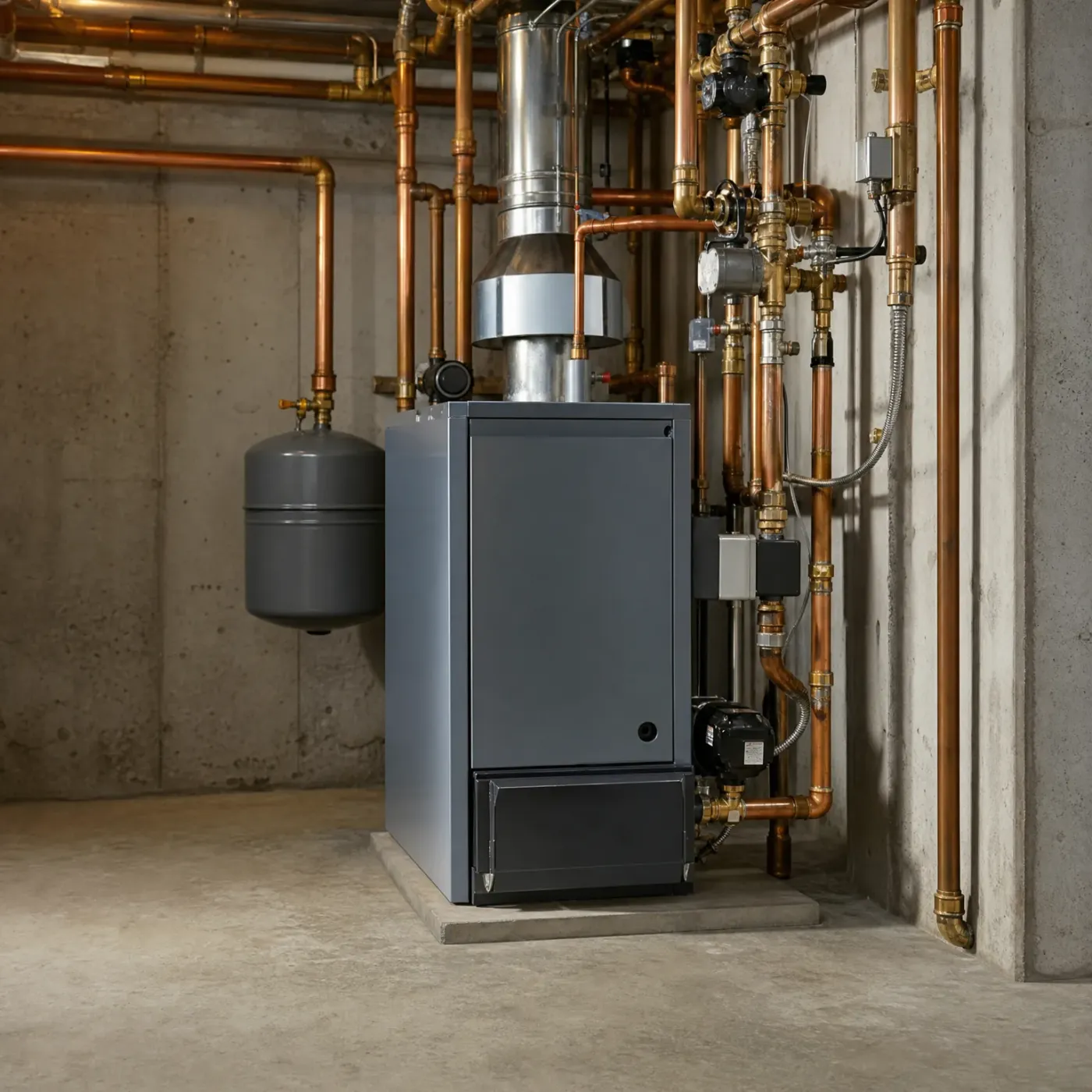
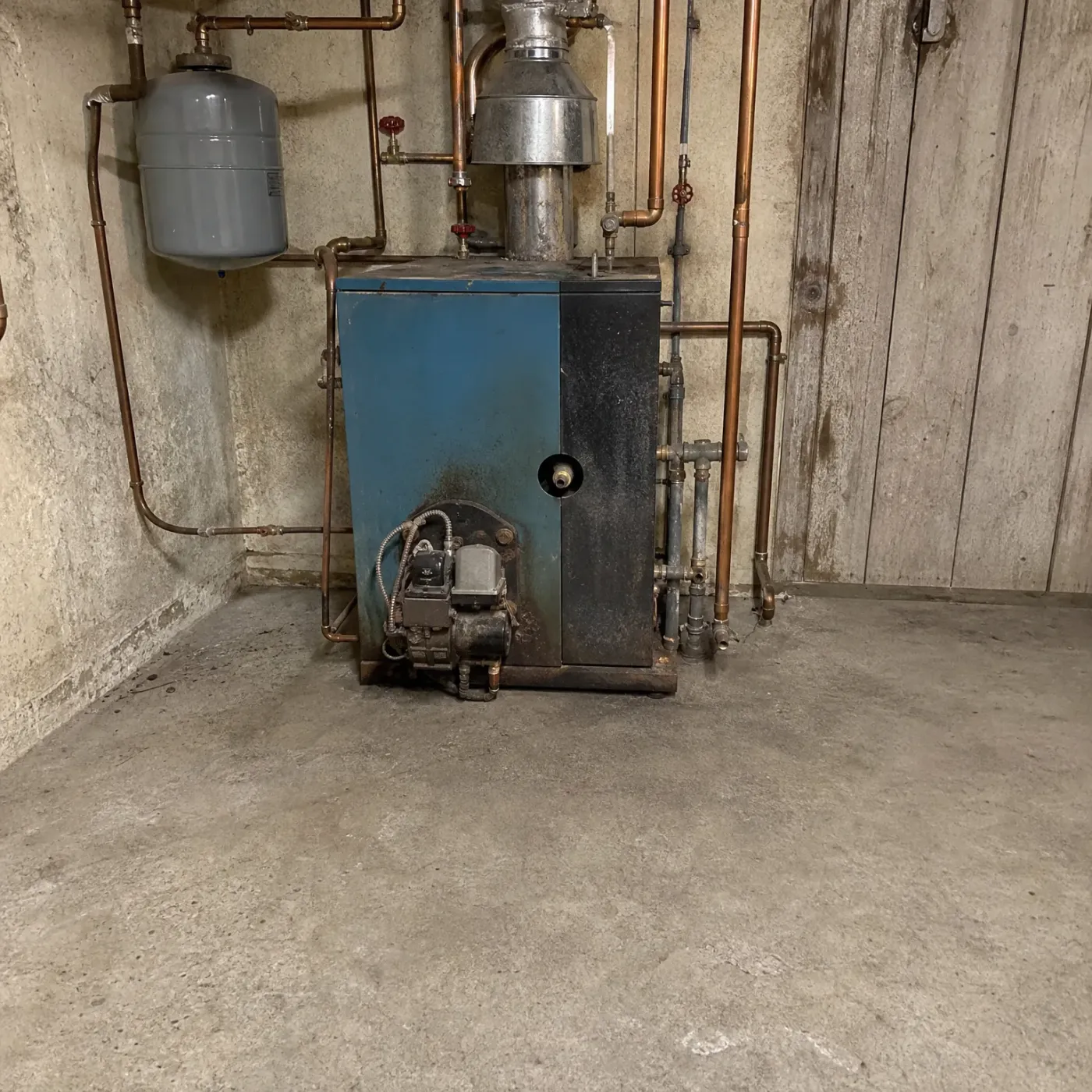
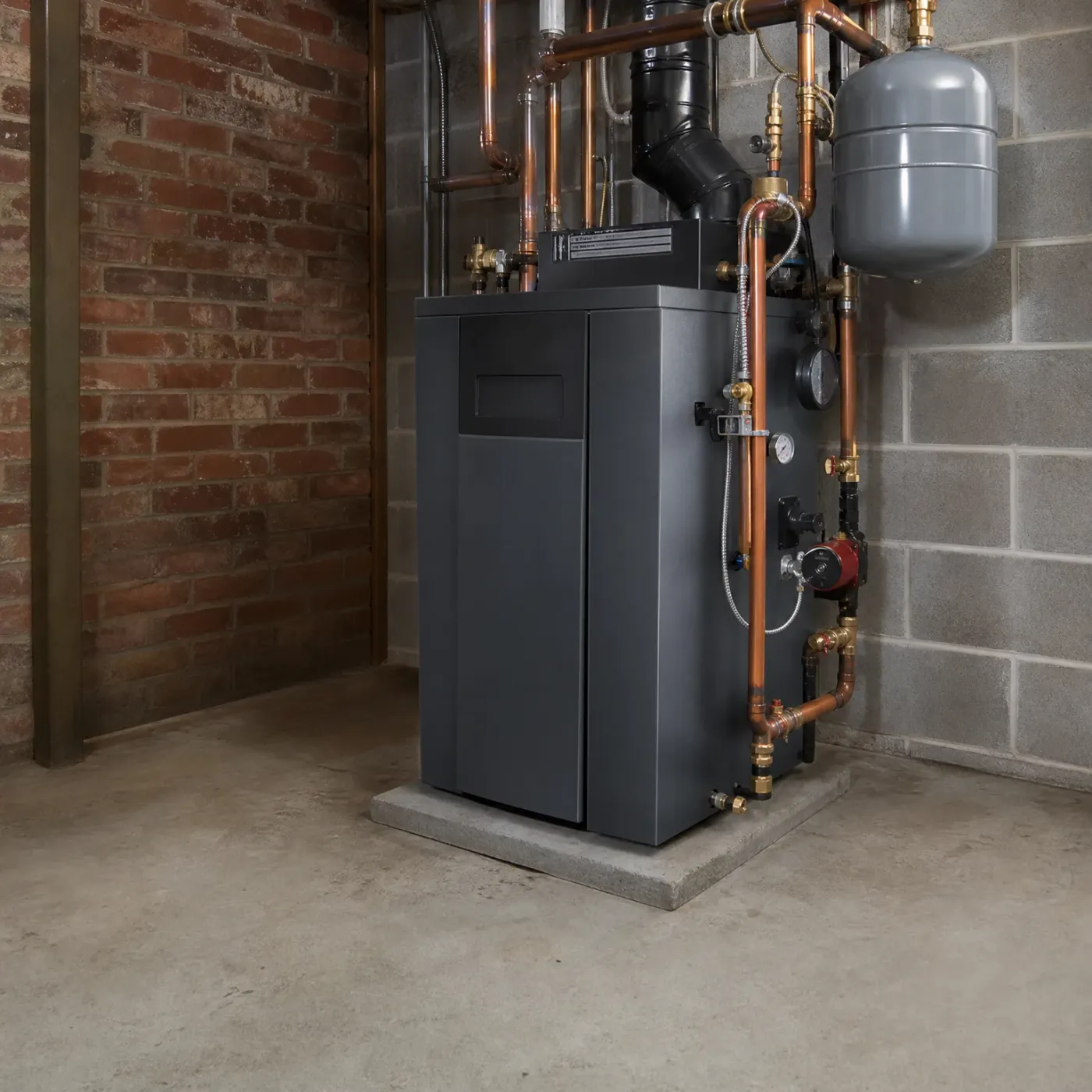
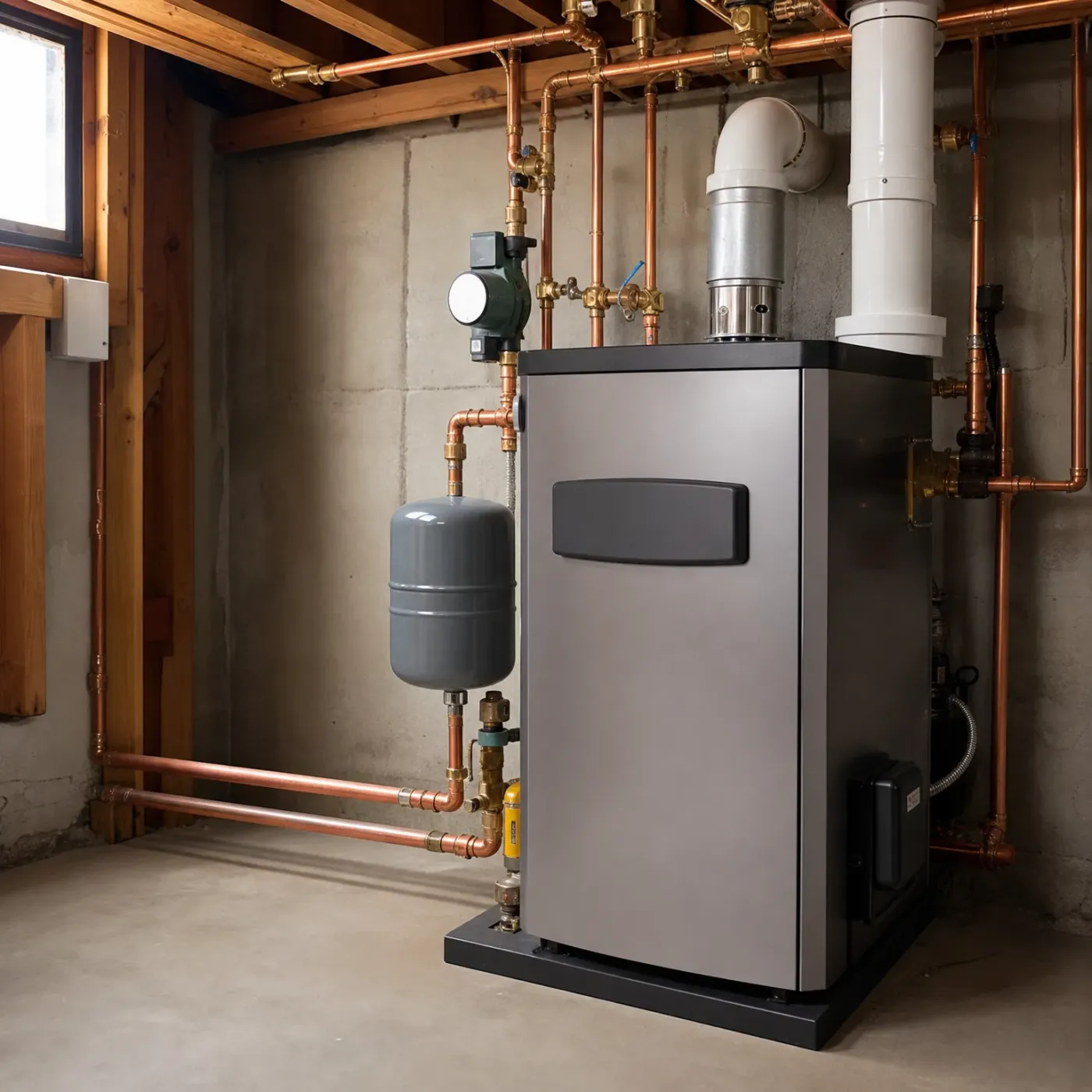
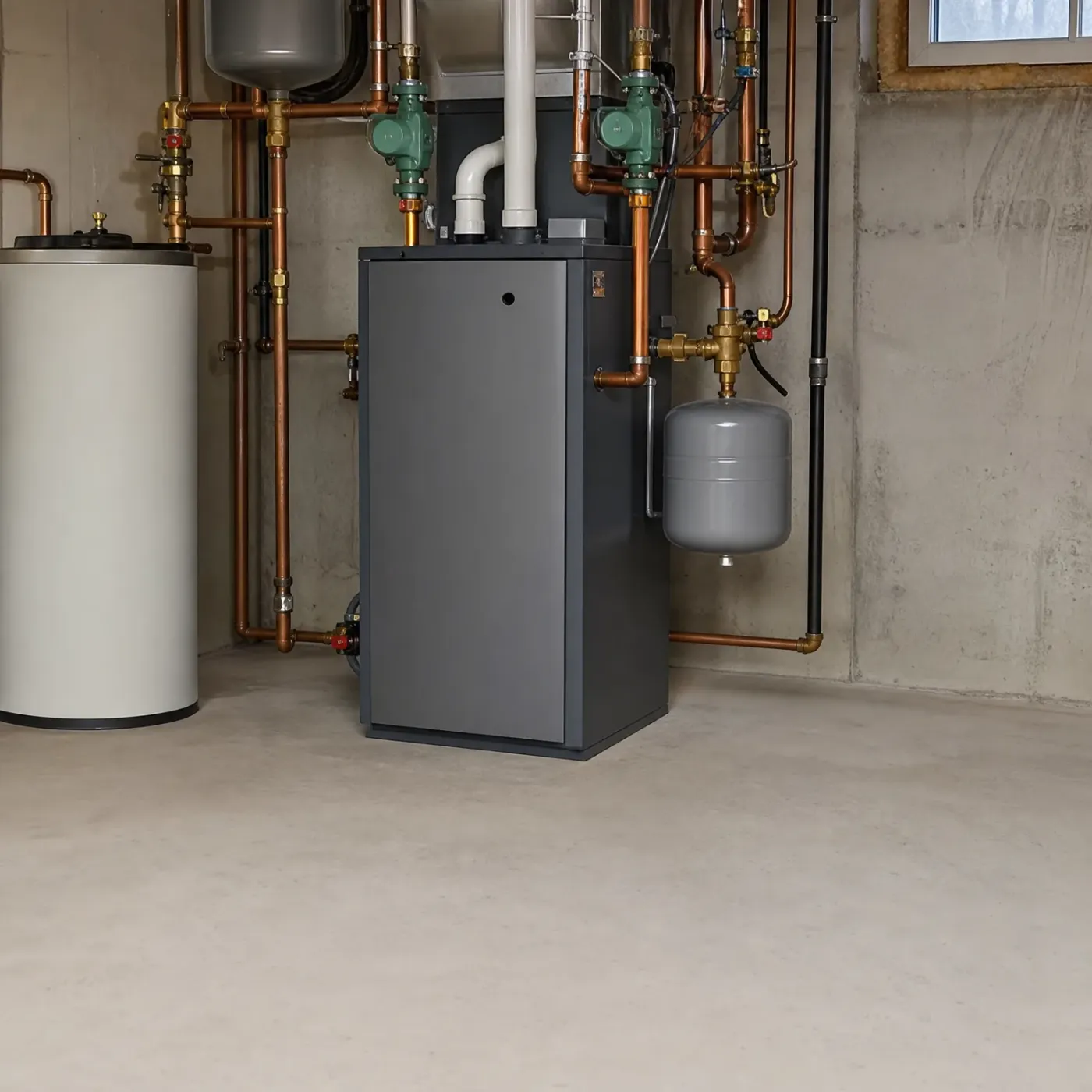
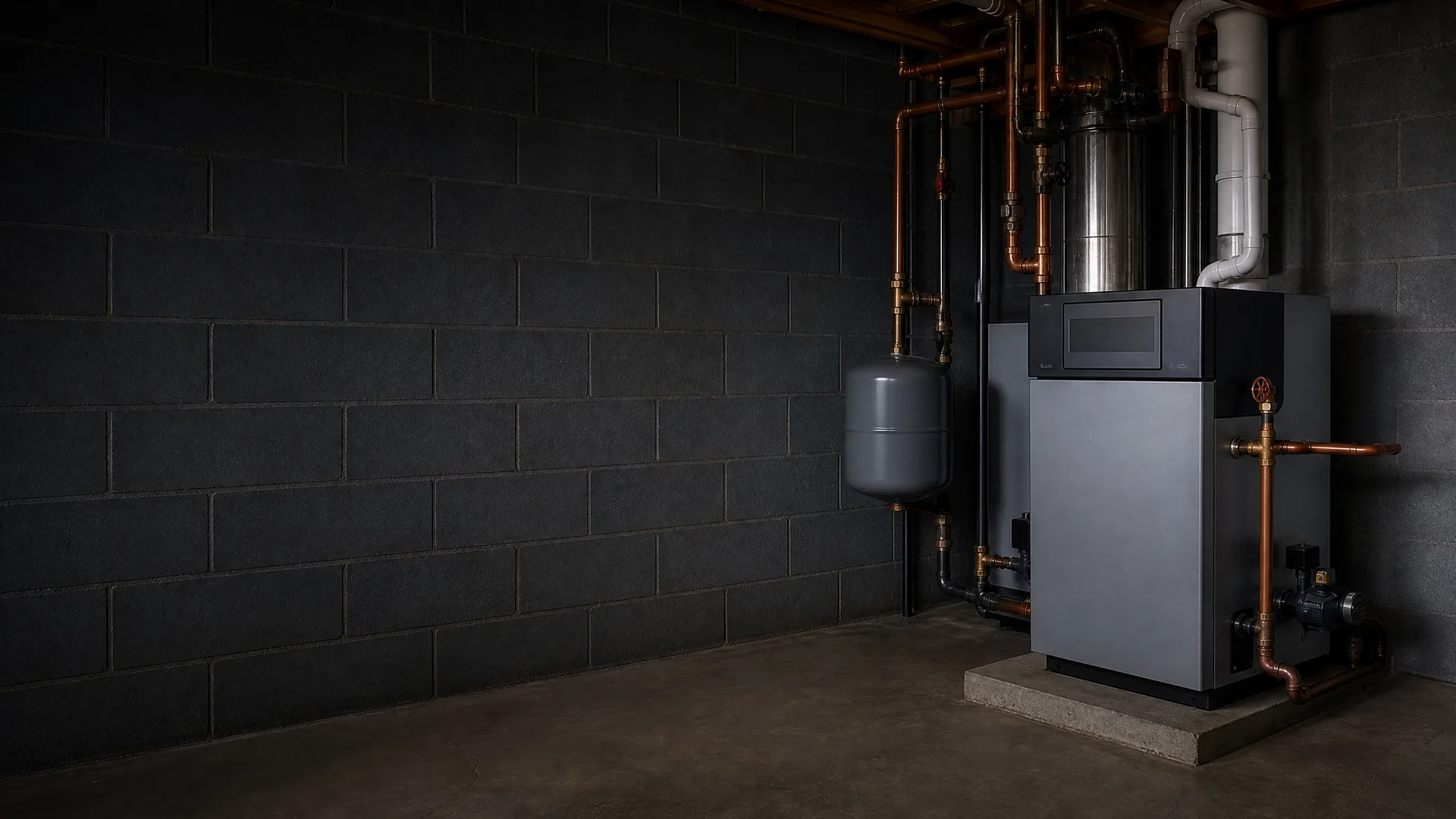
This is what a working setup looks like: pipes and pumps all connected, pressure holding steady, heat moving out to every radiator in the house. No cold spots, no knocking in the pipes, no pool of water under the tank. If your basement looks like this, the boiler isn't your problem.
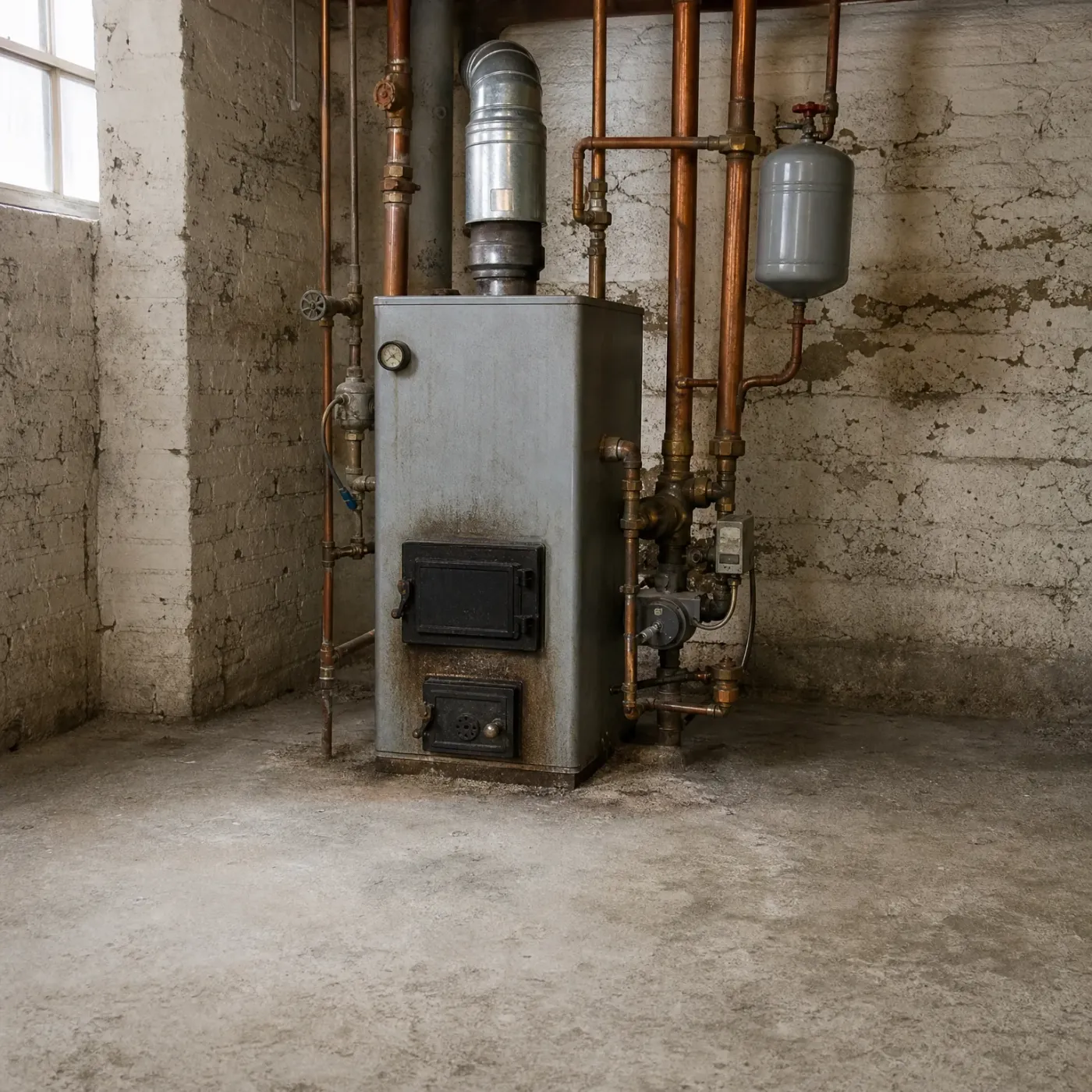
Same boiler, same pipes, but the heat isn't making it to the radiators upstairs. The unit fires and runs like it should. The problem is somewhere between the boiler and the room: a valve, a pump, or air caught in the line. Nothing here tells you which, only that it's not the boiler itself.
Describe what your boiler is doing once, in one form.
Send the request and finding a pro stops being your problem.
You're not committing to anything by asking.
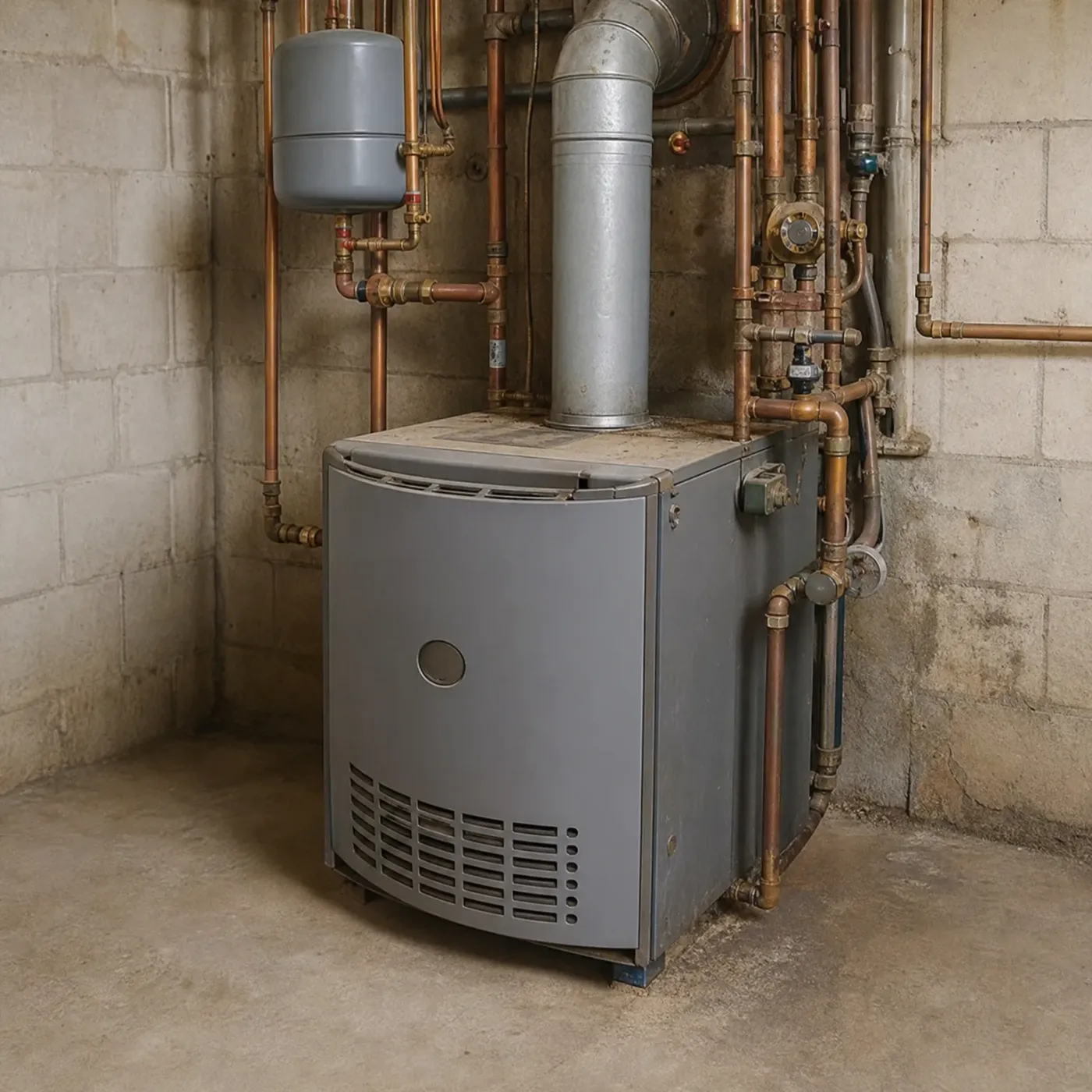
The boiler heats water and the circulator pump pushes it into the pipes.
Hot water should fill each radiator from the bottom up.
Trapped air collects at the top of the radiator and blocks that space.
Water can't reach the blocked section, so the top stays cold.
Walk the rooms and check each radiator by hand. Cold at the top and warm at the bottom means air. Cold all over while others in the house are hot means a closed or stuck valve on that one. If it's the same radiator every winter, that valve or line has a problem that bleeding alone won't fix for good. Listen too. Knocking or gurgling in the pipes often comes with the cold spots and points to the same trapped air. With gas prices in Rhode Island running high, a boiler working harder to push heat through blocked radiators costs you more every month it goes unfixed, and a room that never warms up through a full winter here is hard to live with.
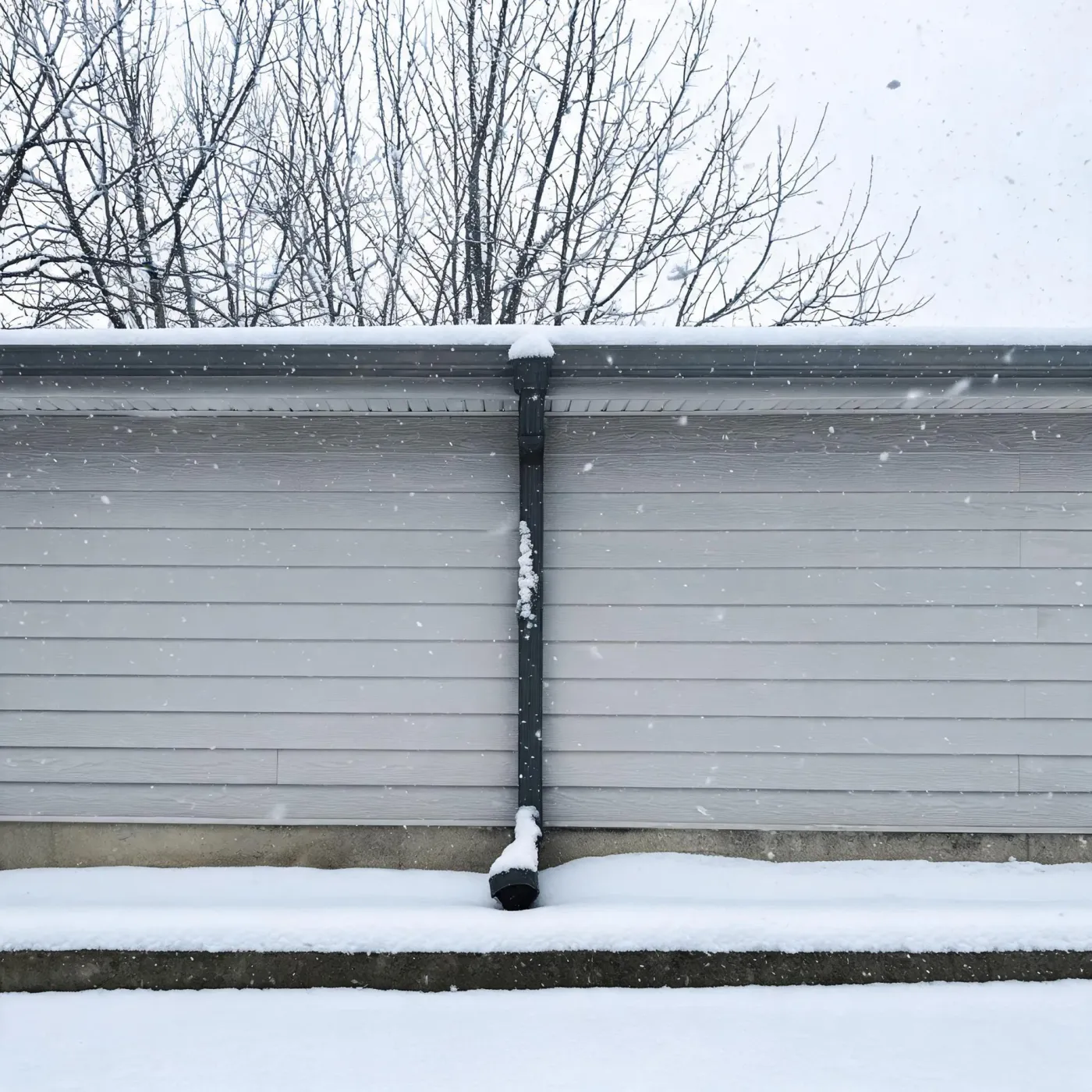
Winter nights average 23°F across Rhode Island, according to NOAA climate records. That kind of cold keeps a boiler cycling on and off most of the night to hold the house at temperature. Every cycle pushes water through the loop again, and any air pocket sitting at the top of a radiator stays right where it is instead of working itself out. A circulator pump that's already weak has to push harder against that trapped air too. So the radiator that's cold tonight is likely to still be cold tomorrow night, and the room around it keeps losing ground while the boiler runs more than it should to make up for it.
NOAA nClimDiv 1991-2020 county normals weighted by homes


You can get through a few more nights with one cold radiator. Close the door to that room, run a space heater if you have one, and keep an eye on whether it spreads to a second radiator. A single stuck valve or an air pocket doesn't damage the boiler by sitting there. What it does is make the boiler run longer to heat the rooms that are still taking water, and with electric rates here among the highest in the country, that shows up on the bill before anything else does. It's a workable stopgap, not a fix, and it tends to get less workable as the cold nights stack up.
Send the form once and the legwork stops being yours. No more searching for a boiler tech, calling three places to see who picks up, or explaining the same cold radiator story over and over to whoever answers. A licensed contractor gets the details you already worked out, walking the rooms, checking hot at the bottom and cold at the top, and goes straight to the valve or the pump instead of starting from zero. That's the difference this makes: not a faster boiler, a shorter path to someone who can actually open it up.
At 23°F, your boiler can't just reach temperature and shut off. It has to keep pushing water through the loop most of the night to hold the house steady, and a stuck valve or an air pocket that might barely matter in October becomes the reason a room stays cold on a night like that.
NOAA nClimDiv 1991-2020 county normals weighted by homes
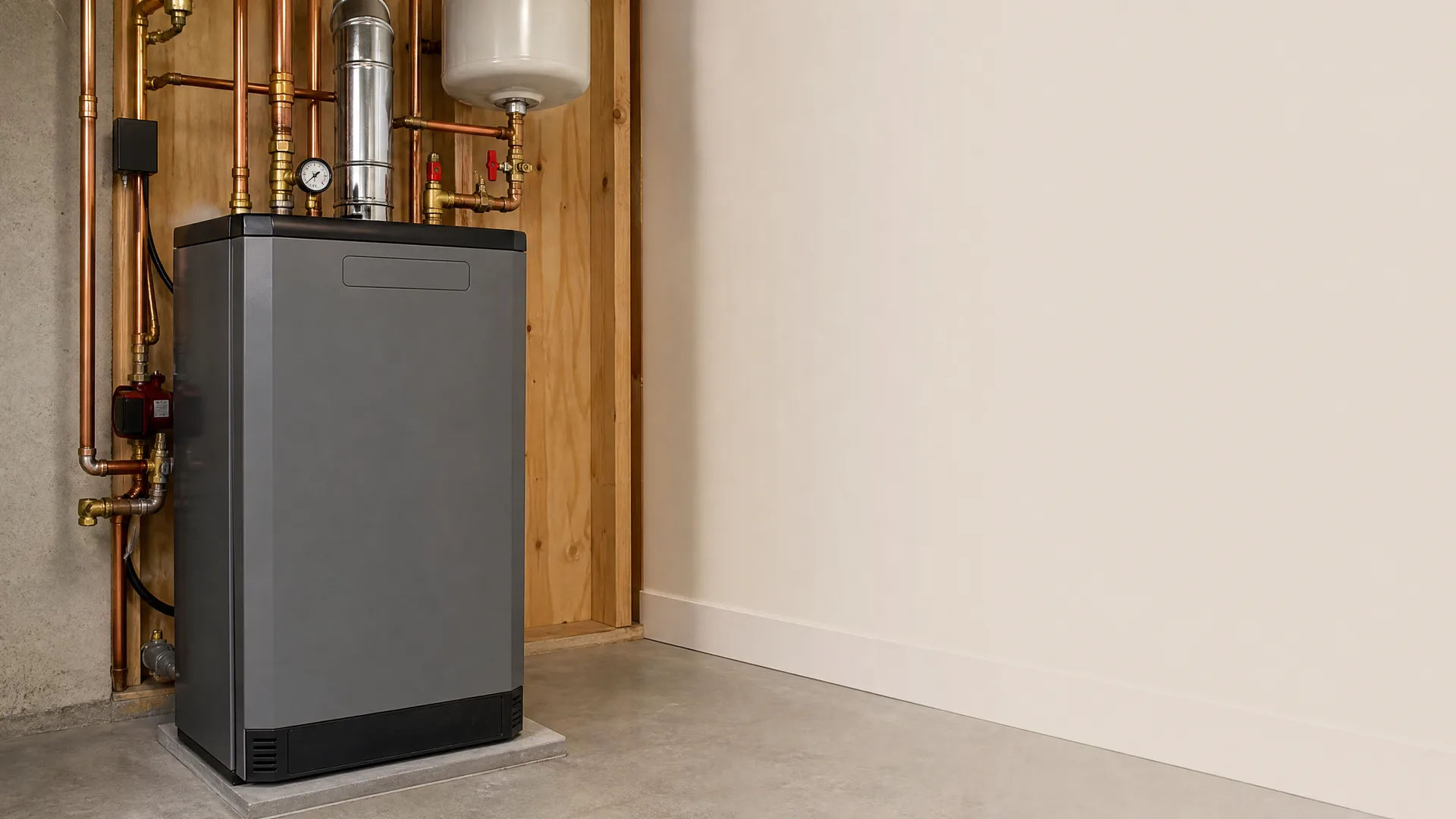
You bleed the valve, check the thermostat, maybe tighten a fitting, and the radiator still won't heat. Now you're searching for a plumber or HVAC contractor who works on boilers, calling a few, waiting on callbacks, and describing the same cold radiator three times over. Rhode Island winters don't leave much room for that back and forth while a room stays cold and the boiler keeps cycling to make up for it.
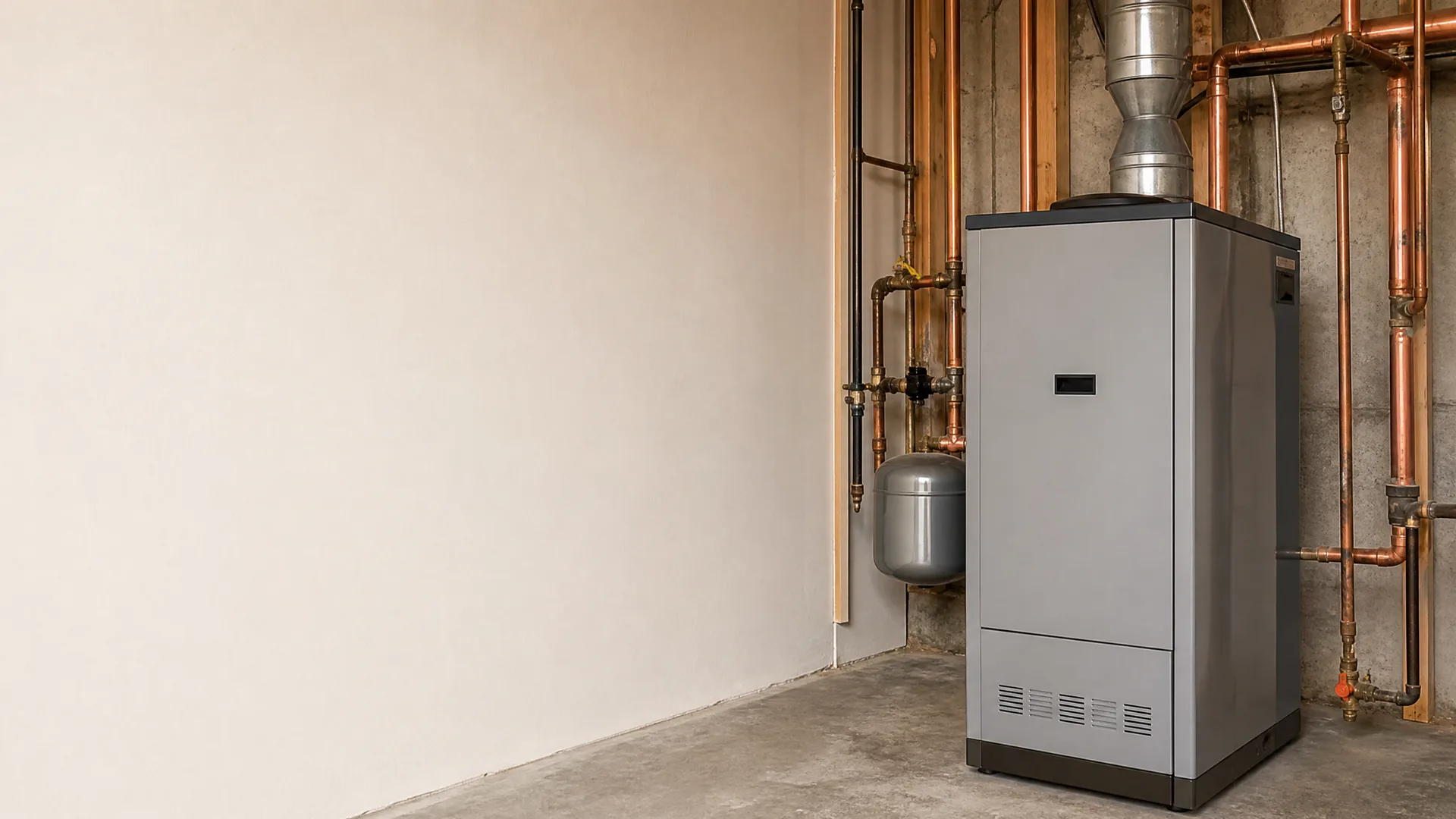
Once you send the form, the searching stops being something you have to do. No more calling around to find someone who actually works on boilers, no more repeating what the radiator's doing to person after person, no more sorting through quotes on your own. Someone qualified gets matched to your job and takes it from there. The radiator still needs a real fix, but finding who does that fix is off your plate.

A cold radiator with the boiler running comes down to air in the loop or water that can't get past a stuck valve or a dead circulator pump. None of that means a new boiler. It means finding the one spot in the system that's blocking the rest of the house from getting warm, and clearing it.
You could keep calling around, describing the same cold radiator to each plumber who picks up, and waiting to hear who actually works on boilers and who doesn't. Send the form instead and that part is done. You won't be the one tracking down who's available or repeating what you already checked. Someone who works on Rhode Island gas boilers gets your information and takes it from there.

Answer a few questions instead of calling shop after shop.