





Signs your boiler won't last a Rhode Island winter

Send the request and finding a pro stops being your problem.

Let a pro reach out

A boiler that won't make it through a Rhode Island winter usually tells you first with sound and water, not with a full breakdown. Listen for banging or kettling in the heat exchanger, that's mineral buildup making the boiler work harder to heat the same water. Look for rust or wet spots around the base, a sign the tank or fittings are failing from the inside. Watch the pressure gauge: if you're adding water every week or two, something is leaking somewhere in the system. Pay attention to rooms that used to heat evenly and now don't, or a pilot light that won't stay lit. Any one of these can mean the boiler is still running but losing ground, and a January cold snap is exactly when a weak boiler gives out, because that's when it runs longest and hardest. Catching this now, before the hard cold sets in, is what separates a repair from a full replacement in the middle of winter.

A smiling man with dark curly hair in a dark green henley shirt sits on a light sofa in a living room with large windows, a lamp, shelving, a stone fireplace, and a bowl of popcorn in the foreground.
A smiling man in a dark long-sleeved henley shirt sits on a beige sofa in a living room, with a bowl of popcorn and a remote on the table in the foreground and shelves, a lamp, and a doorway behind him.
A smiling man with graying hair and stubble in a blue henley shirt sits on a gray sofa with cushions in a living room, with a bowl of popcorn on a wooden table in the foreground.
A smiling man in a dark green long-sleeve shirt reclines on a sofa in a dimly lit living room, with a bowl of popcorn on a side table in the foreground and a bookshelf, lamp, and houseplant behind him.

Why does my boiler keep leaking water from the same spot?

A leak that keeps showing up in the same place isn't a random drip. It's usually one part giving out, and it tends to get worse once the heat is running most of the day. In a Rhode Island winter, that's not something to watch for a few weeks and see what happens.

A failing seal or valve, not the tank itself, in most cases

Water from the same spot every time usually means a gasket, a circulator pump seal, or the pressure relief valve. Those parts wear and weep slowly before they fail outright. The tank itself rusting through is possible, but it's less common and it's the one that ends a boiler's life outright, since a tank can't be patched. A relief valve that's dripping is often responding to pressure that's too high, which is worth having checked rather than just tightened. Either way, the leak won't stop on its own, and running a boiler with a known leak through a Rhode Island winter means the problem is there on the coldest night, not just the convenient one.

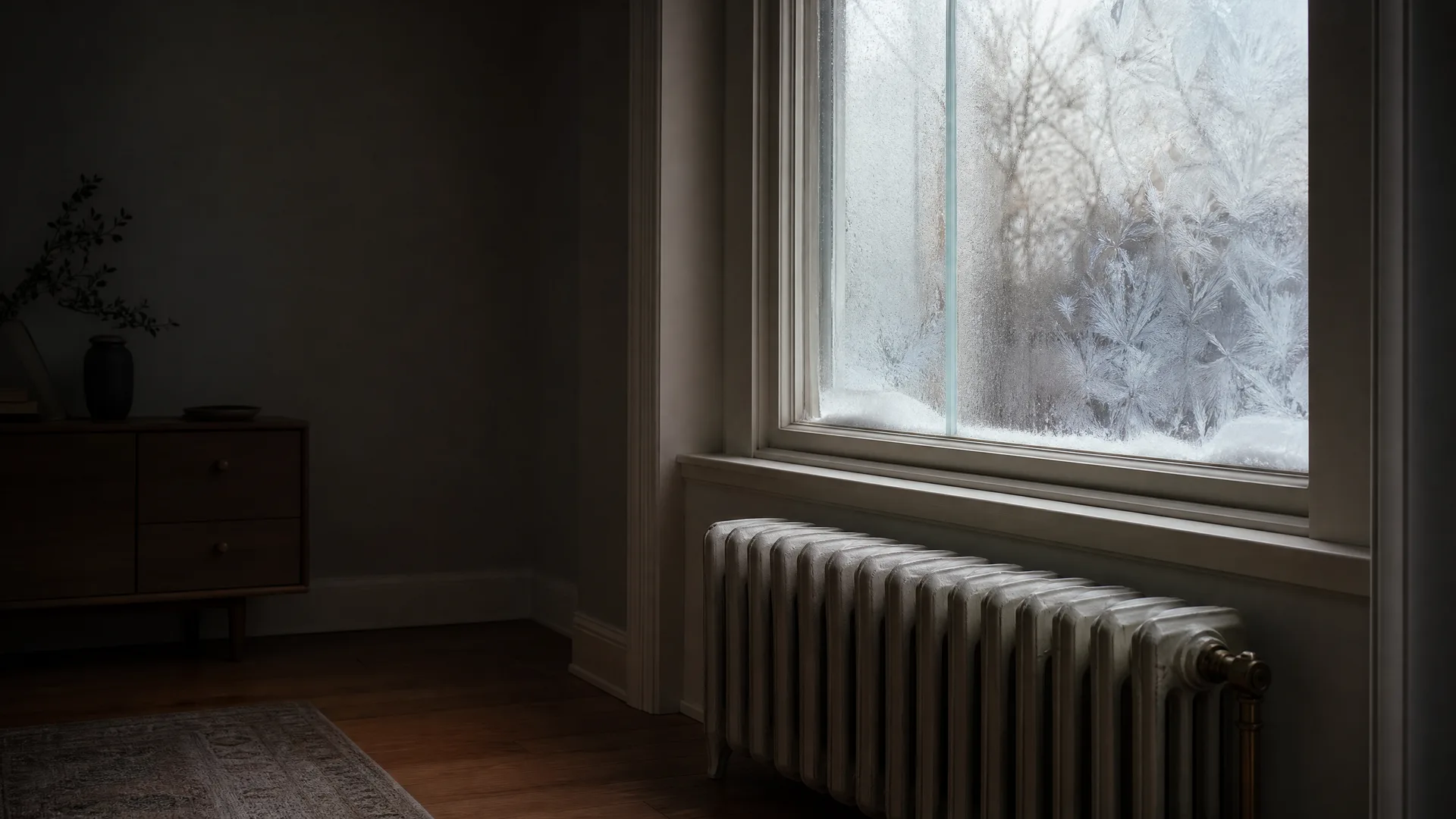
A cast-iron column radiator beneath a frost-covered window in a dim room, with a wooden sideboard, vase of dried branches, wood floor and rug on the left.

You come downstairs before the sun is up, and the living room is cold enough that you can see your breath near the window. The radiator under it is barely warm at the bottom, stone cold at the top. On the inside of the glass above it, there's a thin skin of ice, the kind that only forms when the room's lost its heat for hours, not minutes. You put a hand flat on the cast iron anyway, out of habit, hoping for the usual tick and hiss. Nothing. Down in the basement, the boiler is running, you can hear it, but whatever it's making isn't getting up two flights to push that ice back off the glass.

Is your boiler actually going to make it to spring?

Walk your house in the evening and pay attention. Some rooms heat fine, others stay cold no matter how long the boiler runs. The pilot or burner flame looks more orange than blue. There's a short hiss or a puff of smell when it fires. Your thermostat calls for heat more often than it used to, and the boiler takes longer to satisfy it. Rooms warm, then lose that warmth faster than before. Any rust around the base or the pipe fittings is worth a second look, since it usually means a slow leak has been going on longer than it seems. None of this means the boiler quits tonight. It means the parts holding it together are losing ground, and a hard cold snap this winter is what tends to finish the job.

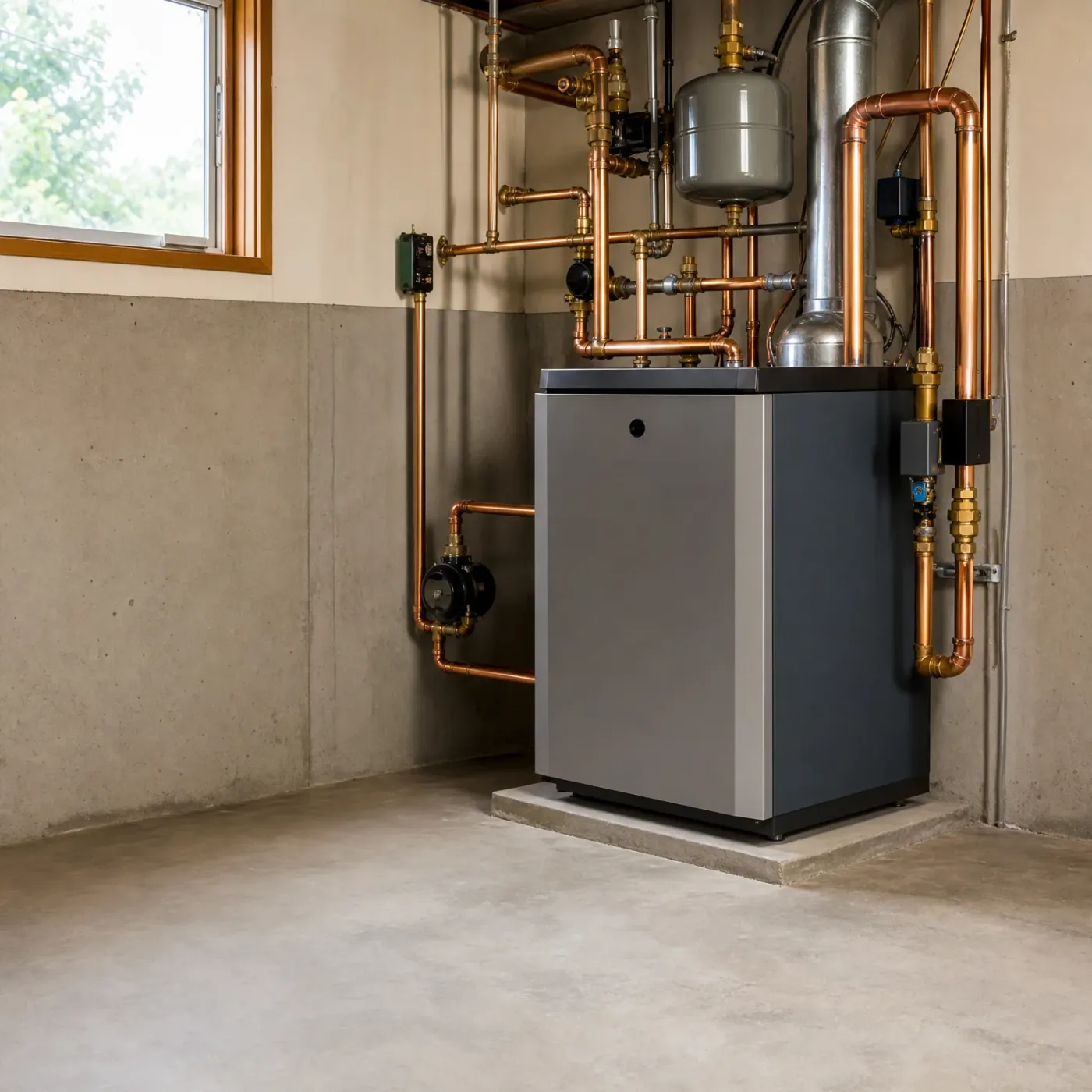
A gray boiler unit on a concrete pad in a basement corner, connected to copper piping, circulator pumps, and a ceiling-mounted expansion tank against bare concrete walls.

Running the way it should

The pressure gauge sits steady, the pipes are dry, and the burner lights without hesitation. Heat reaches every radiator in the house at roughly the same rate. You can rest a hand on the return line and feel warm water moving, not lukewarm, not cold. Nothing underneath it needs a towel.


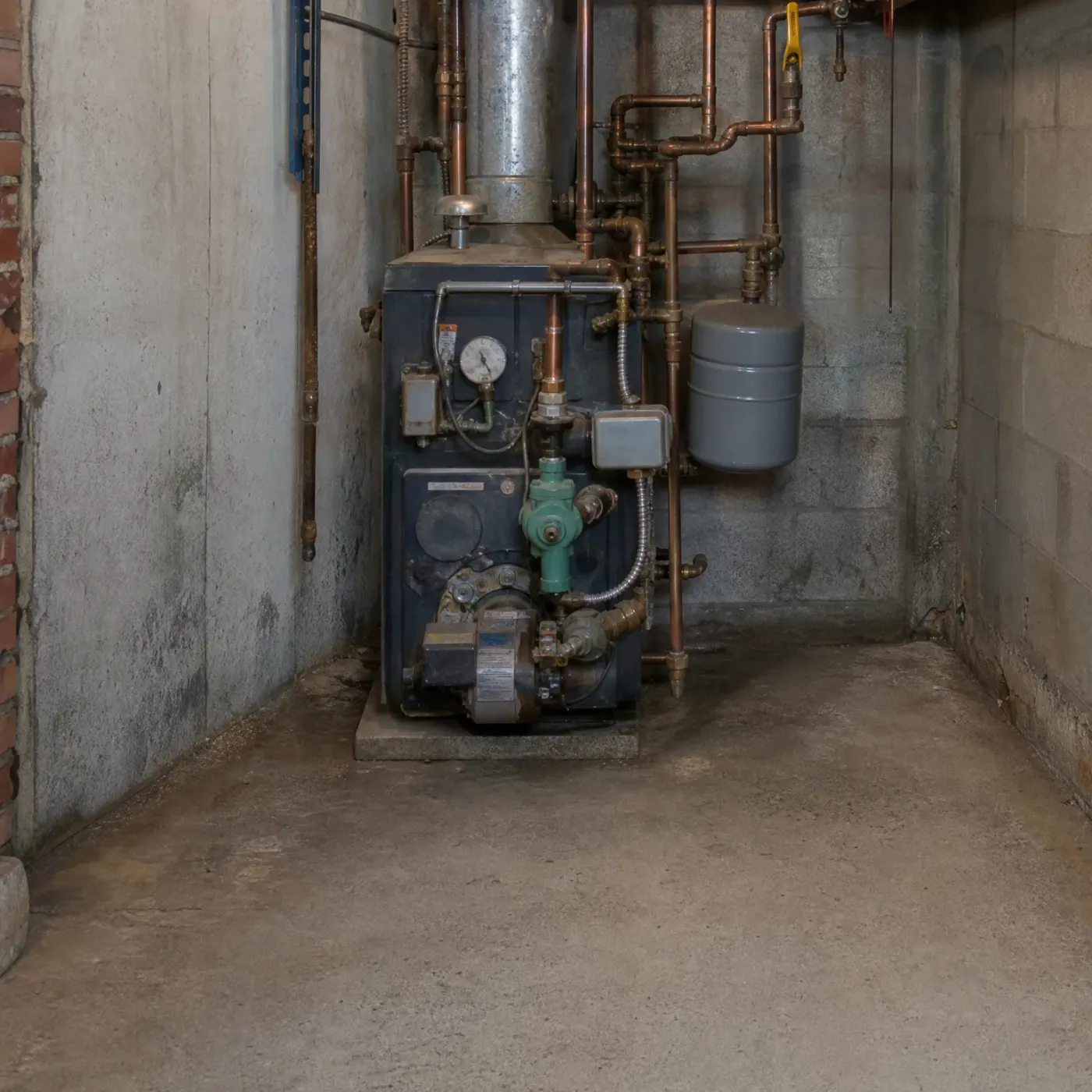
A blue oil-fired boiler with a pressure gauge, burner unit and metal flue sits on a concrete pad in a basement corner, surrounded by copper and black pipes against bare concrete walls.

Struggling to keep up

Rust has crept around the base, and the pressure gauge creeps past where it should sit. The burner assembly cycles on and off more than it used to, working to cover a Rhode Island night it used to handle without strain. A damp patch near the pump mount means something is already giving out.

A woman in a dark gray sweater reclines on a couch with her eyes closed and a knit blanket over her lap, an open book resting face-down in front of her, with a lit table lamp and shelving blurred in the background.
A bearded man in a dark navy sweater over a collared shirt smiles and looks off to the side while seated at a dinner table with a glass of red wine, a lit candle, and a plate of food in the foreground of a dimly lit room.
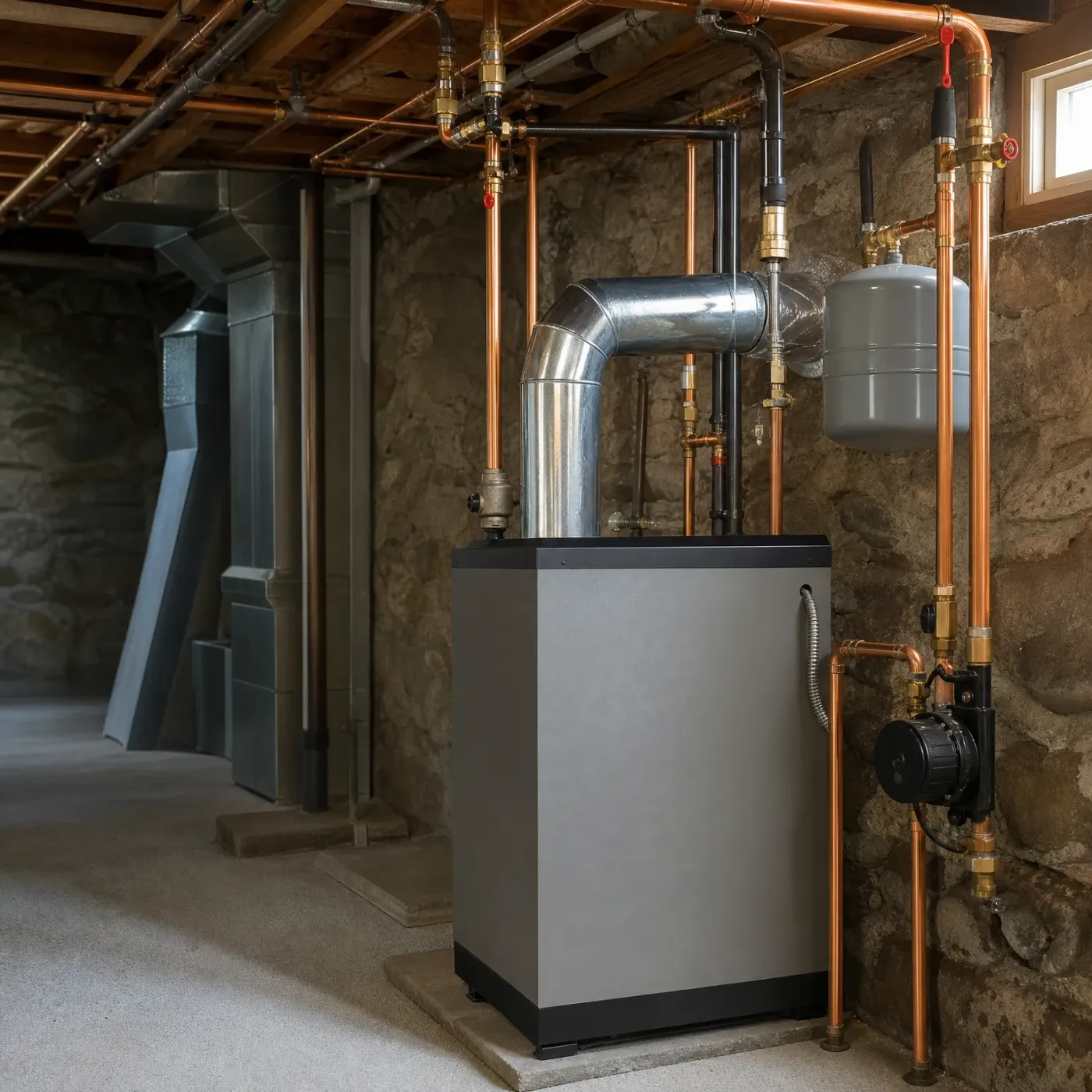
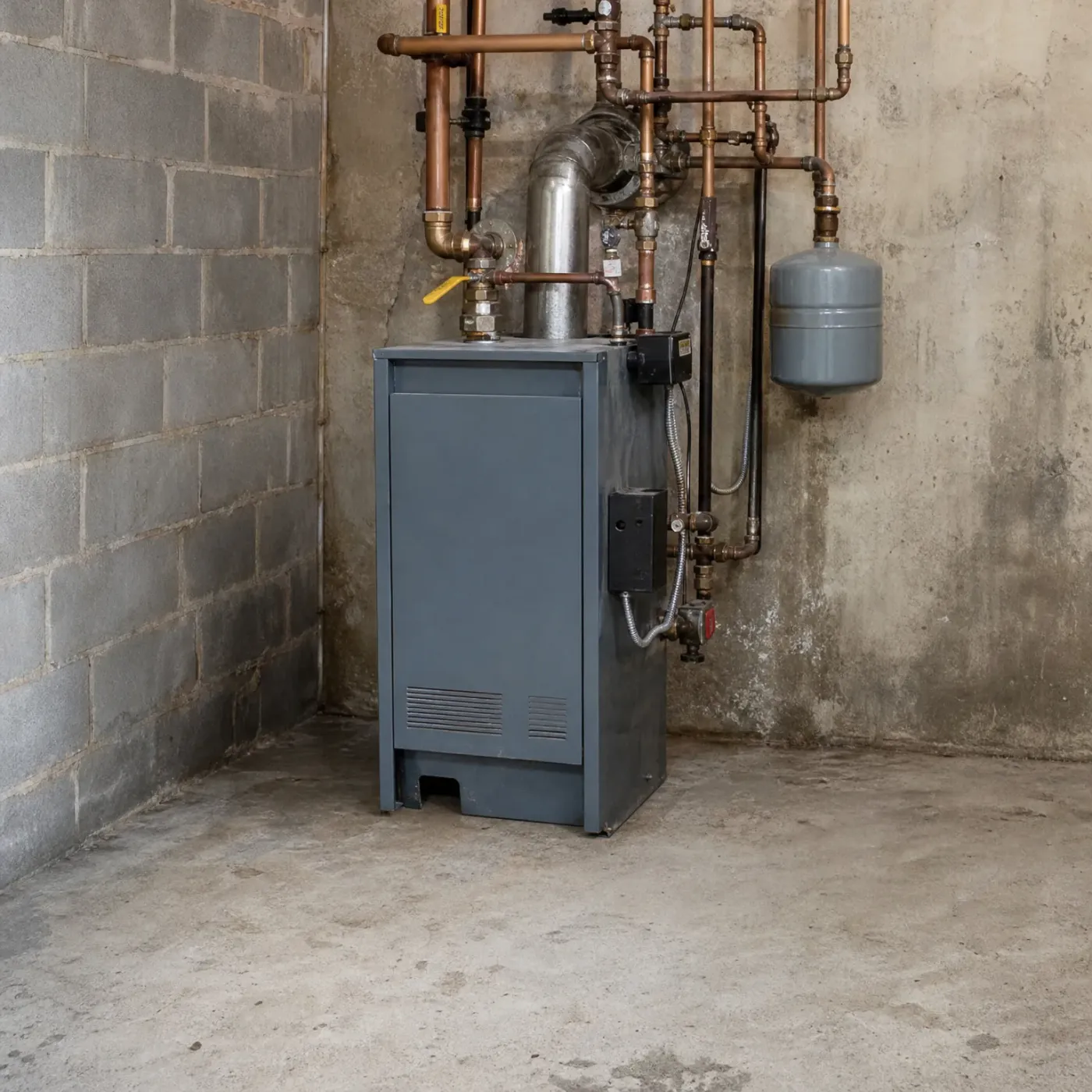
A gray boiler unit on a concrete pad in a stone-walled basement, connected to copper piping, brass valves, a circulator pump, an expansion tank, and a metal flue vent.

Finding a pro stops being your job

The pro who reaches out is licensed in Rhode Island.

After this form, you can stop searching for a boiler pro.

Find a licensed pro

No charge to send it. You decide if you hire them.

A dark cast-iron boiler with copper piping, pressure gauge, and a gray expansion tank sits on a concrete pad in a basement corner with concrete block and brick walls.
Before you get your boiler repair
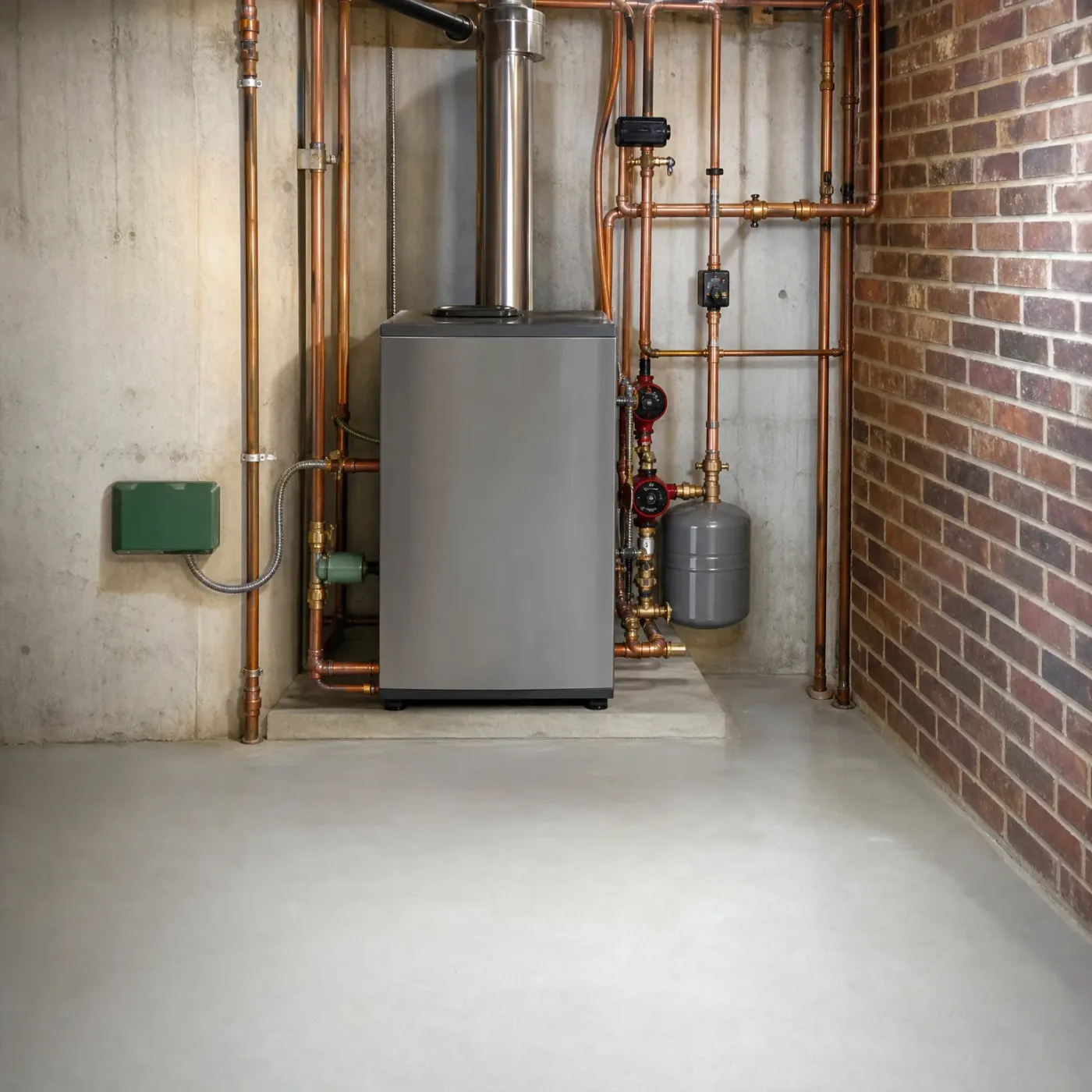
A gray boiler on a concrete pad in a basement, connected to copper piping, valves, pumps and a gray expansion tank, with a concrete wall on the left and a brick wall on the right.
After you get your boiler repair
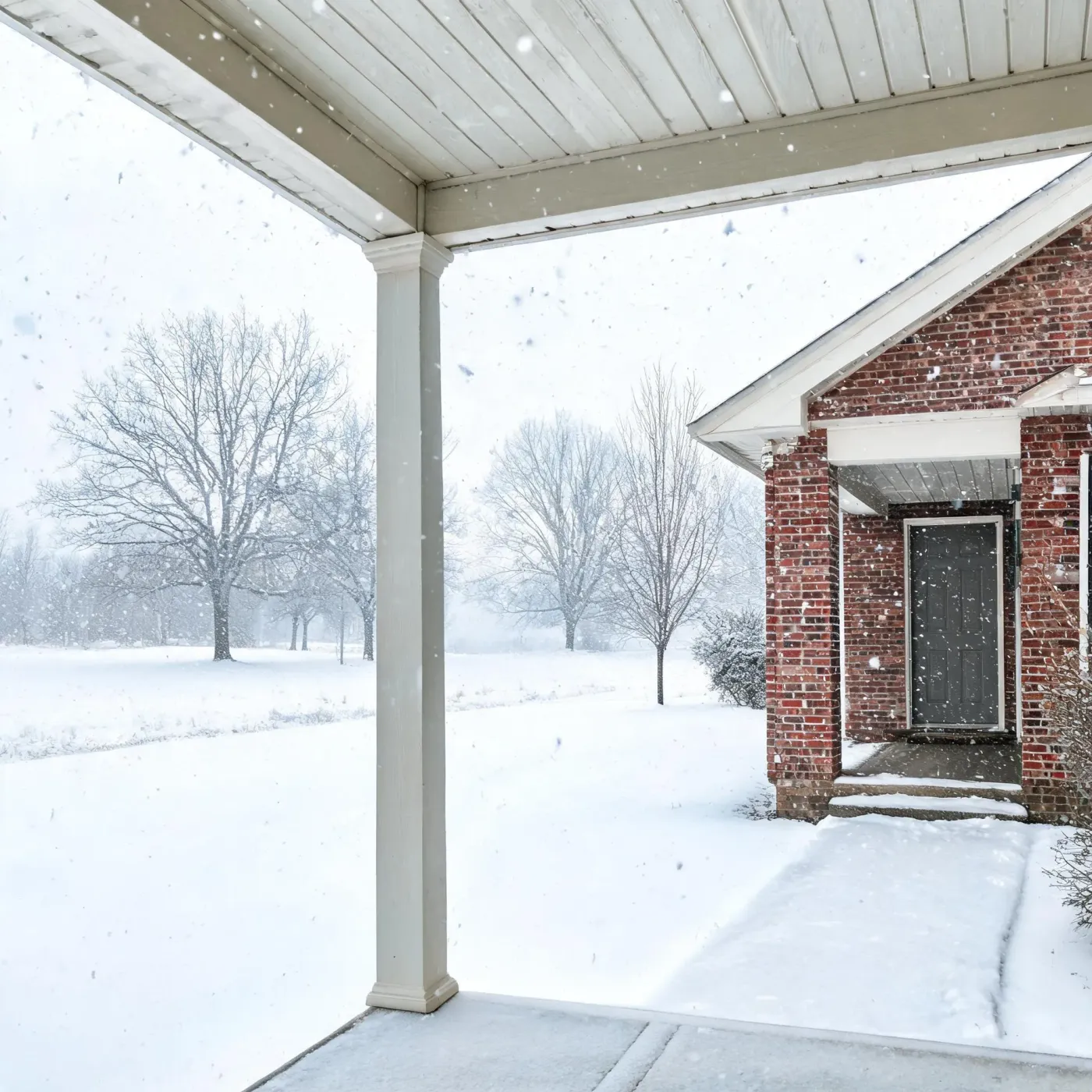
View from under a covered porch with a white column toward a red brick house with a dark door, with falling snow, snow-covered ground and bare trees in the background.

Winter nights here average 23°F statewide, according to NOAA. That's the kind of cold that keeps a boiler firing on and off most of the night instead of catching a break. A boiler that's already worn, a cracked heat exchanger, a failing circulator pump, doesn't get a chance to rest and recover. You'll notice it running longer to hit the same temperature, or the burner kicking on again just a few minutes after it shuts off. If the house still feels cold at 23°F outside, that's not the thermostat. That's the boiler telling you it's struggling to keep up with a Rhode Island night.

NOAA nClimDiv 1991-2020 county normals weighted by homes

Repair it or replace it

Worth repairing

  • The leak traces to one part, like a pressure relief valve or a circulator seal, not a cracked section of the boiler itself.
  • Pressure holds steady once it's bled and refilled, instead of dropping again within a day or two.
  • The burner lights on the first try and runs with a steady blue flame, no delay or hesitation before ignition.
  • Heat reaches every radiator in the house at close to the same rate, even on the coldest nights.
  • A contractor who services boilers in Rhode Island all winter can usually get the right part fast, since most run on the same gas-fired designs.

Likely done for

  • Kettling or banging has gotten louder over weeks, which usually means the heat exchanger itself is scaling up from the inside.
  • The leak keeps returning from the same spot even after a part's been replaced, pointing to a crack in the boiler block.
  • Rooms that used to heat fine now stay cold no matter how long the boiler runs through the night.
  • Pressure won't hold even after refilling and bleeding, suggesting water is escaping somewhere inside the unit you can't see.
  • The flame has gone from blue to orange, a sign of incomplete combustion that a repair won't fully correct if the burner assembly is worn out.
  1. Mineral scale builds up inside the heat exchanger over time.

  2. The boiler fires longer and more often to make up for it.

  3. Extra strain cracks a heat exchanger or burns out a circulator pump.

  4. A cracked section or failed part lets water or gas escape.

A gray floor-standing boiler on a concrete pad in a basement corner, connected to copper piping, brass valves, a circulator pump, an expansion tank, and a metal flue, with a window at upper left.
Pressure stays steady, the flue draws clean, and every radiator in the house gets warm within a few minutes of the burner lighting.
A gray floor-standing boiler in a basement corner with copper and black piping above it, a flue vent, and a gray expansion tank mounted on the concrete wall beside a concrete block wall.
Corrosion shows at the base and along the fittings, a sign the boiler has been under stress longer than a repair can fix.

Winter nights average 23°F statewide

At 23°F, your boiler isn't cycling off much once it starts in December. It runs most of the night to hold the house steady, and a weak heat exchanger or circulator pump feels that strain long before a mild night would show it.

NOAA nClimDiv 1991-2020 county normals weighted by homes

What Your Boiler Is Telling You

  • Kettling, a leak that keeps returning to the same spot, and cold radiators point to a boiler under more strain than a Rhode Island winter will let up on.
  • A problem traced to one part, like a circulator pump or a pressure relief valve, is worth fixing; a cracked heat exchanger usually isn't.
  • Pressure that won't hold after it's bled and refilled is telling you something a thermostat adjustment can't fix.
  • Nights averaging 23°F mean the boiler runs most of the night without a break, so a weak part fails under real load, not a mild one.
  • A local contractor who services boilers all winter has seen which parts in older systems give out first and can tell you quickly which one this is.

Sound, water, and cold radiators are how a boiler tells you it's struggling before it quits outright. Kettling means the heat exchanger is working harder than it should to heat the same water. A leak that keeps showing up in the same spot means one part is giving out, not the whole unit. Cold spots on radiators while the boiler runs mean heat isn't making it where it needs to go. None of that gets better on its own once the real cold sets in.

What separates a repair from a replacement is where the problem sits. A circulator pump or a pressure relief valve can be swapped out, and the boiler runs fine after. A cracked heat exchanger or a section that's corroded through can't be patched, and pressure that won't hold after it's bled and refilled is usually telling you that's what you're dealing with.

At 23°F on an average winter night here, the boiler doesn't get much of a break. It's running most of the night to keep the house at temperature, and a part that's already weak fails under that kind of steady load. That's the test a mild fall evening never puts it through.

A contractor who works on boilers all winter in Rhode Island has seen this pattern enough times to know what usually fails in a system like yours, and can tell you quickly whether you're looking at a repair or something bigger.

A single-story stucco house at dusk with a lit paver walkway lined by low path lights, desert plants and boulders in front, and distant mountains under an orange and blue sky.

Boiler Repair

Let someone else find the pro

Step 1 of 3: Equipment
  • A dimly lit living room corner with a beige upholstered sofa holding a dark green cushion and a chunky knit throw, beside a wooden sideboard with a lit ceramic table lamp, a small potted plant, and a wooden bowl, with a framed artwork on the wall and a mug on a book in the foreground.
    • Tell a local repair pro what your boiler is doing.
    • Say what's going on with your boiler, and a pro who works on them reaches out.
  • A round wooden coffee table holding a round stone vase of green foliage, a lit candle in a glass container, and a small dark bowl, with a beige sofa, cushions and knit throw behind and a window at left.
    • Send it once and finding someone is no longer on you.
    • Send the request today and let a boiler pro reach out to you.
  • Sunlit living room with a wooden coffee table holding a ceramic vase of leafy branches and a carved wooden tray with two stacked books, in front of a beige sofa with tan and green cushions and a potted plant near a window.
    • Answer a few questions instead of calling shop after shop.
    • Describe your boiler job once, to one pro.
  • Interior corner with a lit ceramic table lamp and wooden bowl on a wood sideboard, a framed picture and branch-filled vase behind, a knit throw over an upholstered chair, and a lit candle in a glass holder, stoneware mug and round planter of green foliage on a wooden table in the foreground.
    • Your request stays with one local pro.
    • Your request goes to one pro, not a list of companies.