




Repair or replace an old boiler in Rhode Island

Send the form and stop researching installers for the new boiler.

Hand it off

Should I repair my old boiler or just replace it?

Your boiler is old, something just went wrong with it again, and you're staring down another repair bill wondering if you're just throwing money at a machine that's on its way out anyway. Before winter sets in for good, you want to know whether this is the year to fix it one more time or finally swap it out.

Replace it if it's past 15 years old or this is its second repair in a couple of winters

A boiler that's into its second decade is working harder to do the same job it used to do easily, and the parts failing now are usually the first of more to come. If this is a repeat repair, the next one is rarely far behind. Most homes in Rhode Island heat with gas, and an old boiler running on gas all winter is burning more of it than a new one would to hit the same temperature. With electricity here costing more than most of the country, a boiler nearing the end of its life is one more place that cost shows up. One more repair might get you through this winter, but it's worth asking whether it's worth paying for a second time.

A man in a blue sweatshirt reclines with closed eyes in a brown leather armchair in a living room with a bookshelf, houseplant, sofa, window, and a side table holding newspapers and a dark mug.
A bearded man in a gray pullover reclines with closed eyes on a brown leather sofa in a sunlit room with a window, framed picture, potted plant, and a wooden cabinet holding papers and a dark mug.
A man in a gray sweater leans back with closed eyes in a brown leather armchair beside a wooden side table holding a dark mug and a folded newspaper, with bookshelves and a window seat behind him.
A man in a green sweater reclines in an armchair with his eyes closed and a slight smile, beside a window with plants, a small table holding a mug and folded newspaper, and bookshelves behind him.

Repair the Boiler or Replace It

Repair

  • A cracked heat exchanger or a failed circulator pump can usually be fixed in one visit if the rest of the boiler is sound.
  • Gas boilers often run fifteen to twenty years, so a single repair on a ten year old unit still makes sense.
  • If this is the first real problem you've had, a repair buys time without committing you to a bigger project before winter.
  • Rhode Island winters run the boiler hard from November through March, and a working repair gets you through that stretch.
  • Parts like igniters, thermocouples and zone valves are common failures and don't mean the boiler itself is done.

Replace

  • A boiler that's needed three or more repairs in as many years is telling you the next failure is already coming.
  • Rust around the base or on the heat exchanger itself means the tank is failing, and no repair fixes that.
  • A new boiler burns less gas for the same heat, which matters given how much Rhode Island electric and gas rates have climbed.
  • If the boiler is original to the house and past fifteen years, replacing it now avoids a breakdown on the coldest night of the year.
  • Installing now means it's done and tested before the first cold snap, not mid-repair when you need the heat most.
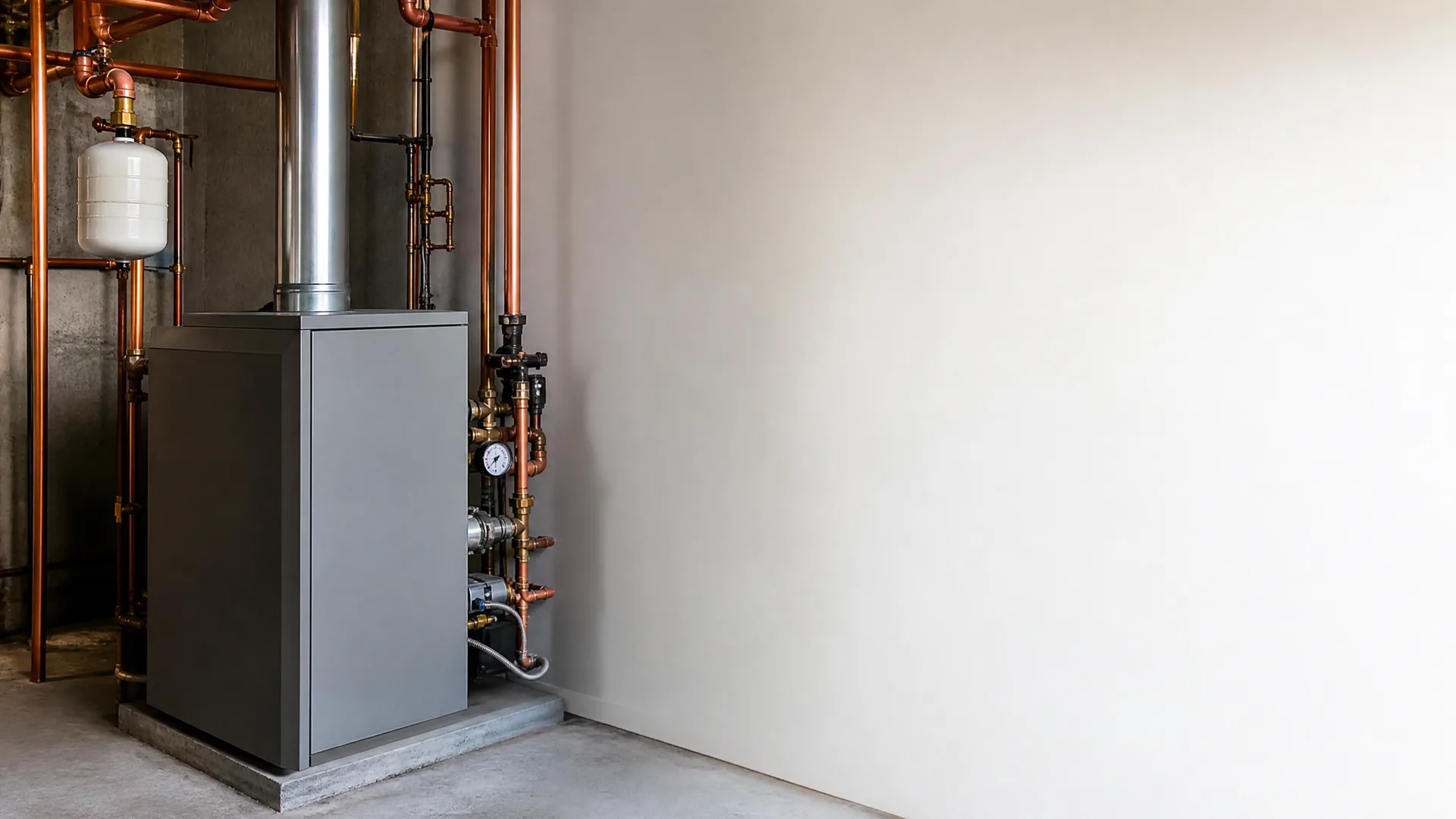
A grey floor-standing boiler with a metal flue and copper pipework, valves and a pressure gauge stands in the corner of a room with plain light walls and a concrete floor.

Why age changes the math

A boiler loses efficiency as it ages, mostly from scale and soot building up inside the heat exchanger. That buildup makes it work harder to heat the same water, so your gas bill creeps up even when nothing is visibly broken. By year fifteen or so, a lot of that efficiency is already gone. A new boiler brings that back immediately, which matters more here with gas prices what they are and a Rhode Island winter asking a lot of the system for months at a time.

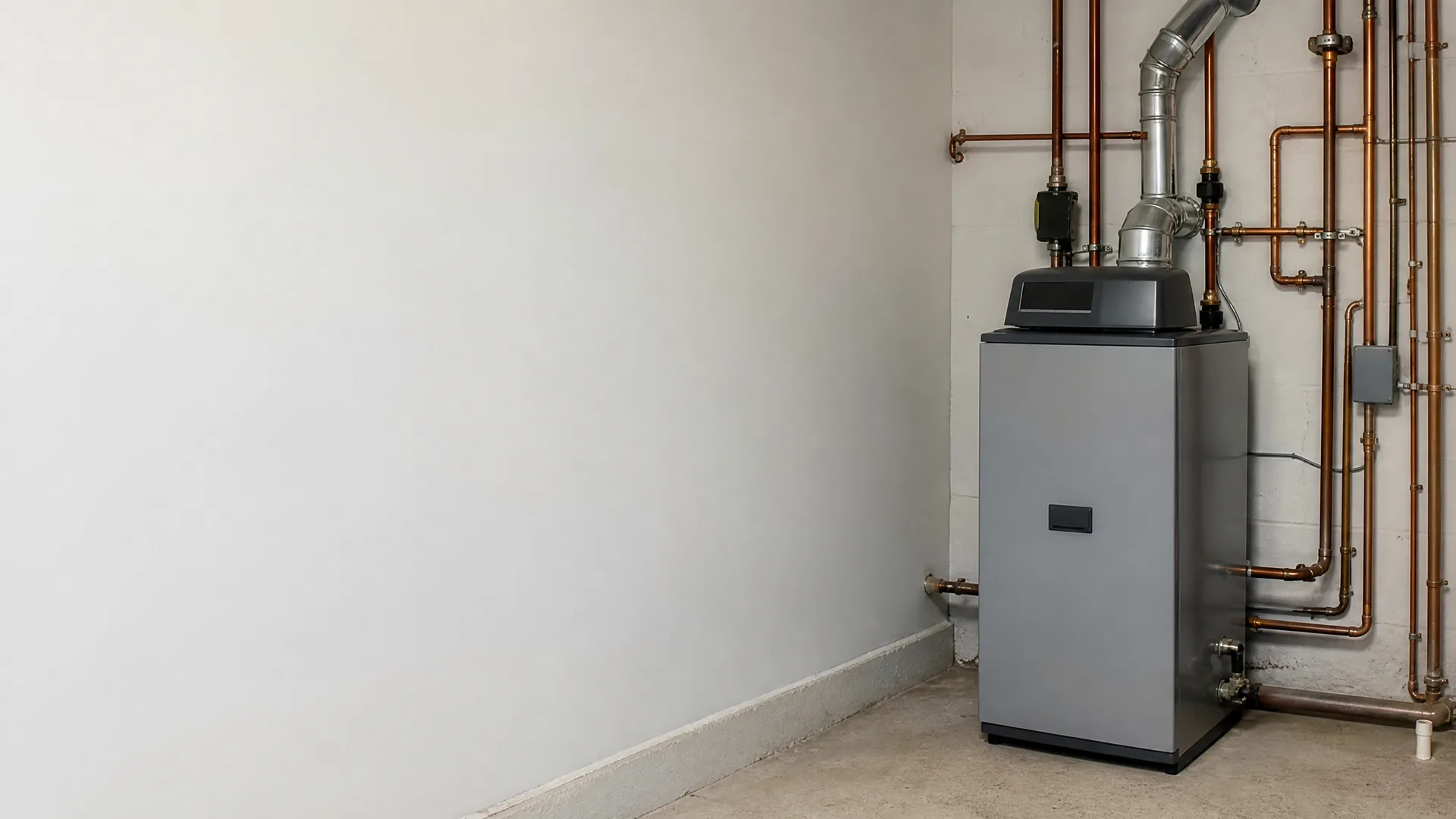
A gray floor-standing boiler with a metal flue pipe stands in the corner of a plain painted basement room, connected to copper pipes running along the wall.

What a cracked exchanger means

A heat exchanger is the part that actually transfers heat from the burner into your water or steam. Once it cracks, it can't be welded or patched safely, since the crack will spread under the heat and pressure it runs at every day. That's the one failure that ends the conversation about repair. Everything else on a boiler, the pump, the valves, the controls, can be swapped out on its own. The exchanger is the boiler itself, and when it goes, the unit goes with it.

Is your boiler telling you something?

Short cycling is usually the first thing you notice, the boiler firing up, running a few minutes, then shutting off before the house actually warms. You might hear banging or kettling from inside the tank, which is the sound of scale breaking loose off the heat exchanger. Some rooms stay cold while others overheat, because the system can't push enough hot water through evenly anymore. Water pooling near the base, or a rusty tint to it, means a leak somewhere in the tank itself, and that doesn't get patched. Left alone through a Rhode Island winter, a boiler working this hard either fails on a night you need it most or quietly runs up a gas bill that climbs faster than the thermostat does.

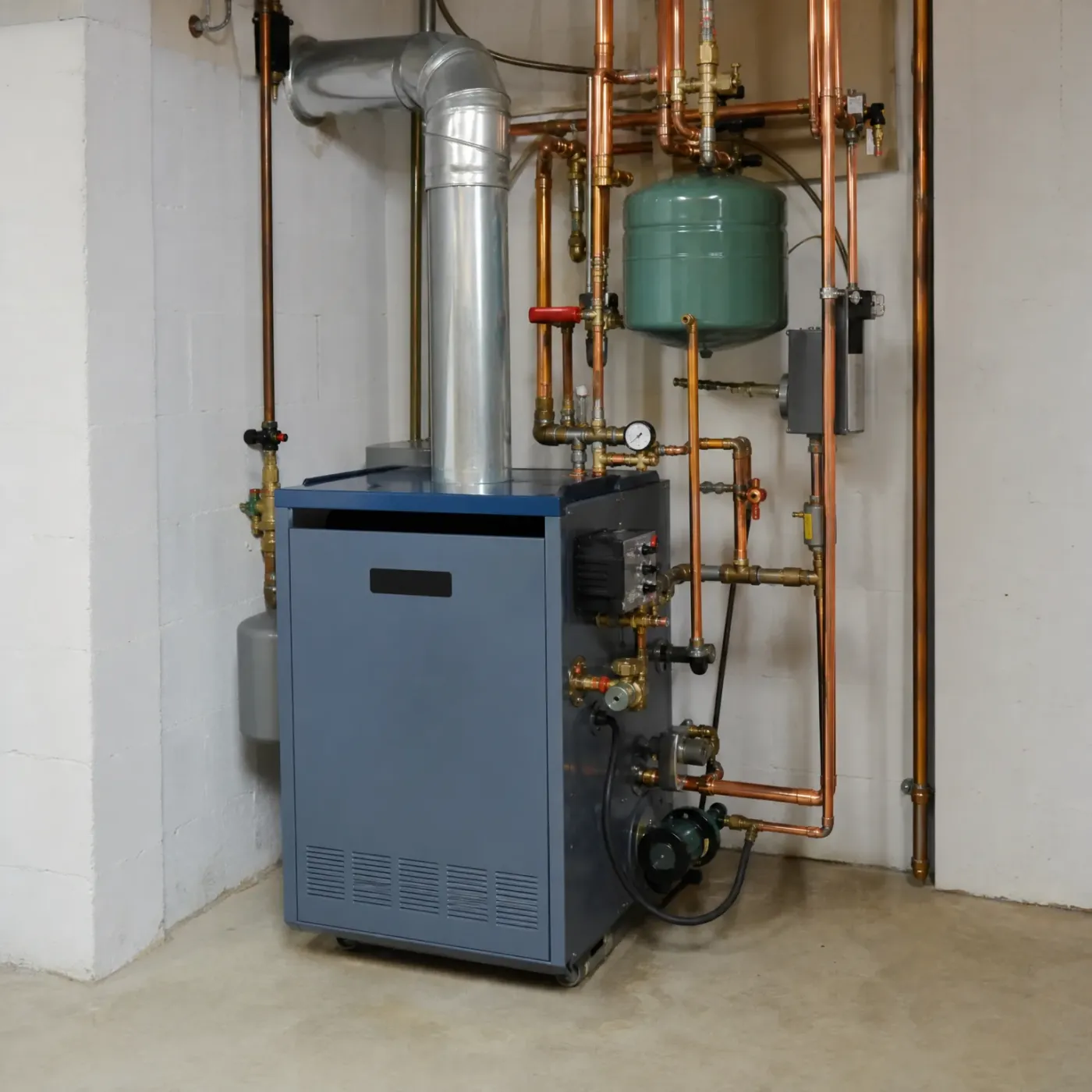
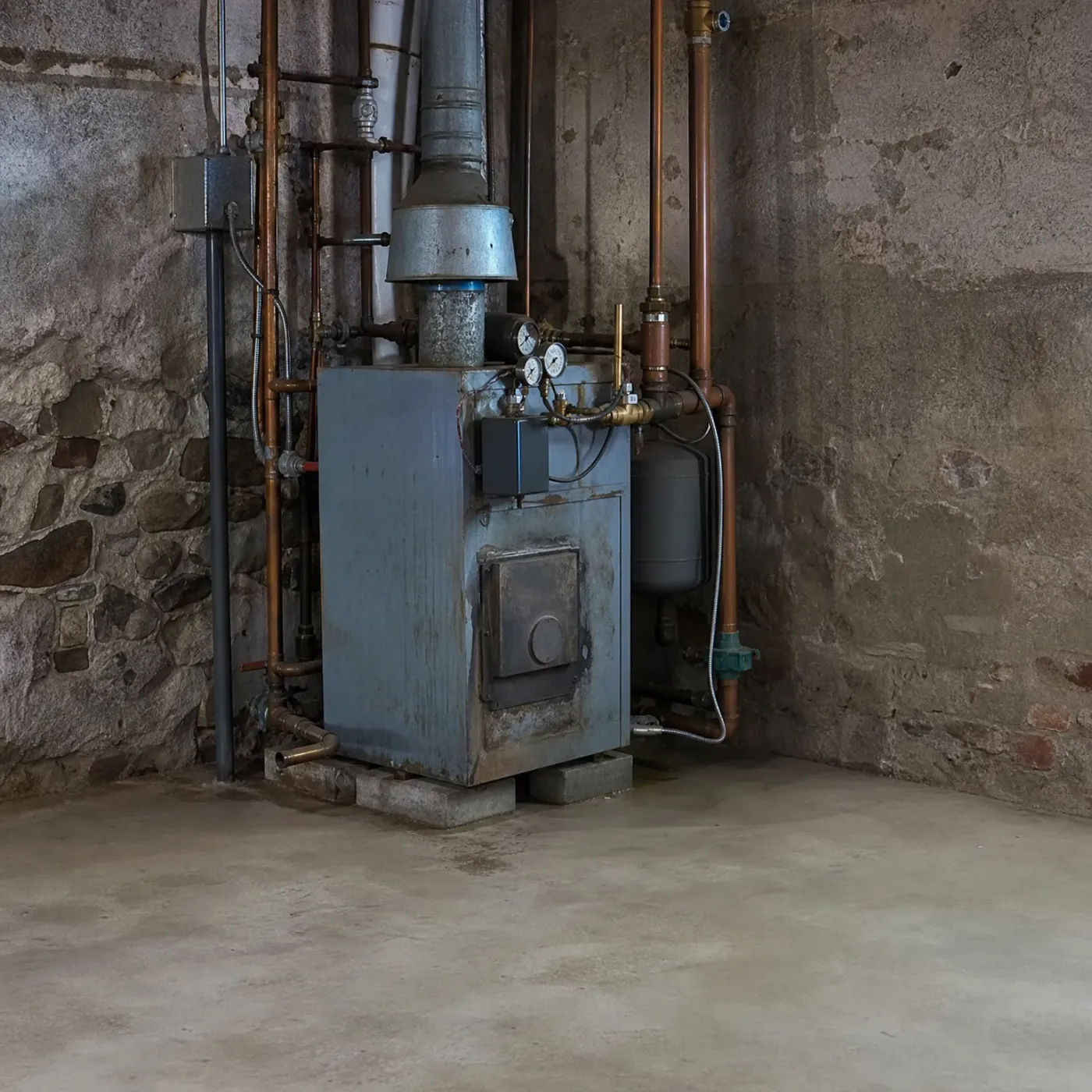
A blue-gray residential boiler in a basement corner, connected to copper piping, a green expansion tank, a circulator pump, gauges, and a metal flue pipe against painted block walls.

A boiler running the way it should

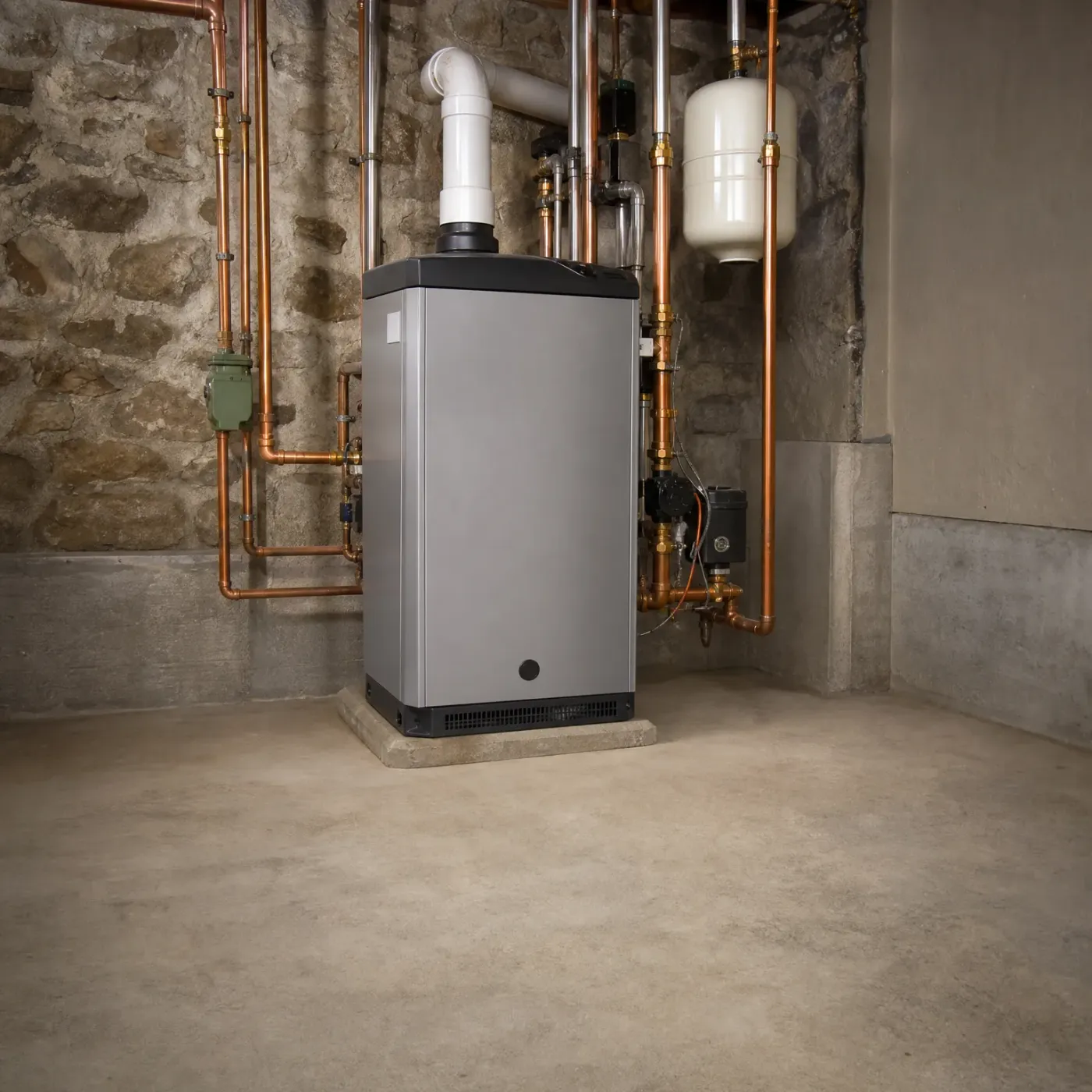
The piping is tight, the pressure gauge sits where it should, and the expansion tank is doing its job. A boiler in this shape has no reason to be replaced. Keep up with the yearly service and it'll keep heating your house through the winter without drama.
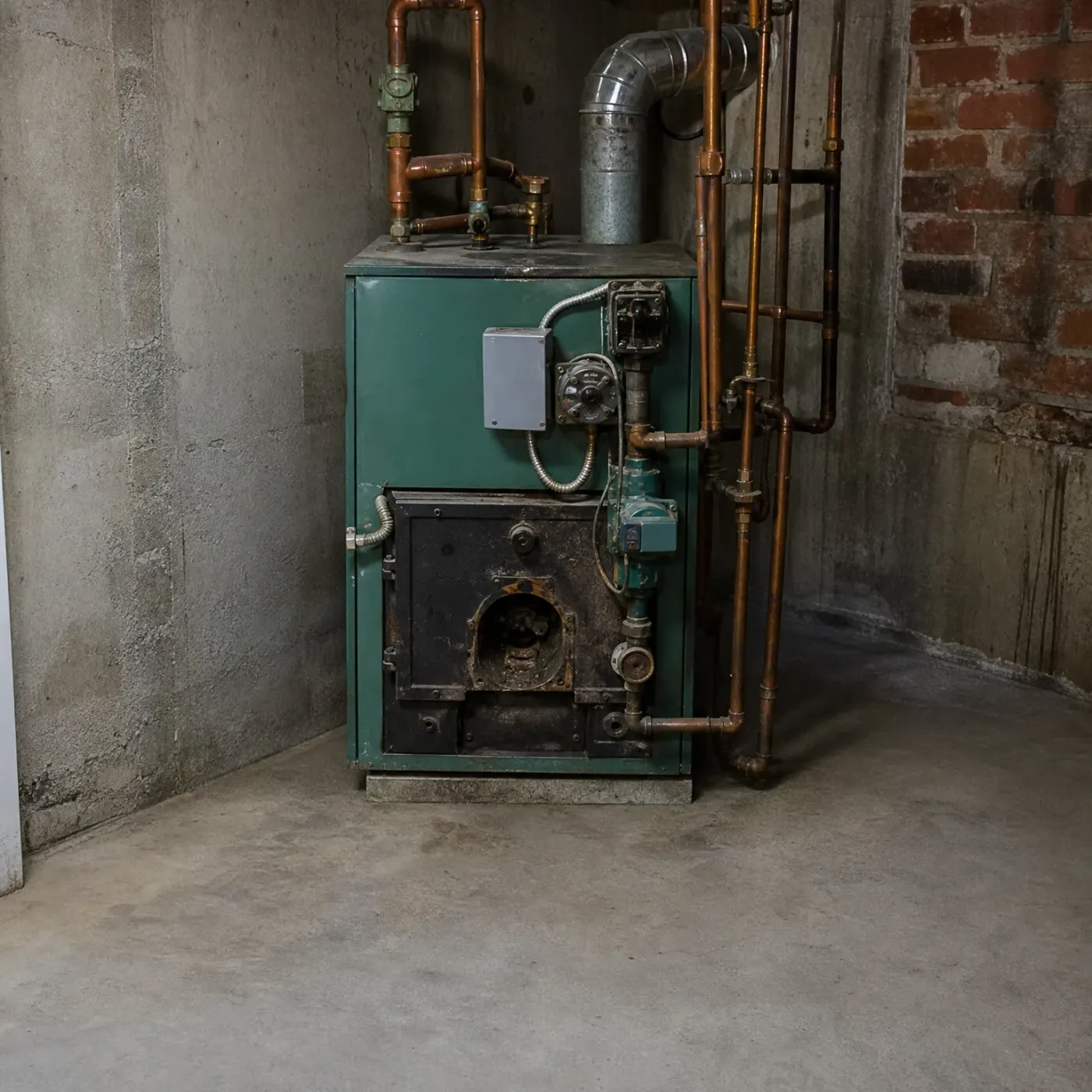
A green cast-iron boiler with a soot-stained front door, copper piping and a metal flue, standing on a concrete floor in a basement corner with concrete and brick walls.

A boiler telling you it's done

That corrosion on the firebox door isn't cosmetic. Once the metal around the burner starts eating through like that, you're not looking at a repair anymore. A boiler in this condition is a safety question as much as a heating one, and it won't get better on its own.

An older gray boiler with a metal flue, copper piping, pressure gauges and an expansion tank sits on concrete blocks in a basement corner with stone and concrete walls.
Before you get your boiler installation
A gray floor-standing boiler on a concrete pad in a basement, connected to copper pipes, a white expansion tank, and a white PVC vent against a stone and concrete wall.
After you get your boiler installation

It's off your list after this

A boiler that keeps failing in a Rhode Island winter isn't a problem you want to sit with while you shop around. Gas heats most homes here, and when a boiler goes down for good, you need someone who can get a new one in and running, not a stack of quotes to sort through. Sending this request puts it in front of one licensed contractor local to Rhode Island, someone who installs boilers in homes like yours all winter and knows which models hold up against the kind of use they get here. You won't get calls from five different companies trying to win the job. Just the one, already pointed at what you actually need. With power costs what they are in this state, getting the right unit in matters as much as getting it in at all. Send the request and let that search be someone else's job for a while.

When repair still makes sense

A boiler that's given you no trouble until now, with one part failing on a unit that's otherwise sound, is worth fixing. If the tech can point to the one thing that broke and tell you the rest of the boiler checked out fine, that repair buys you real time. A lot of Rhode Island basements have a boiler that's been running quietly for over a decade, and one bad pump or control board doesn't undo that. Fix the part, keep the service up, and let it keep heating the house.

When replacing is the better bet

If this is the second or third repair in a couple winters, or the tech is quoting you for a part on a boiler that's also losing efficiency, you're patching something that's already decided where it's headed. A new boiler installed before the cold really sets in means you're not gambling on a fix holding through January. It also means you stop paying the gas company extra every month for a heat exchanger that's working harder than it used to. One decision now instead of another repair call later.

Winter nights average 23°F statewide

At 23°F, your boiler is running most of the night to keep up, not cycling on and off a few times and coasting. An old heat exchanger feels that kind of steady demand first, and it's usually the night it can't keep the house warm that tells you it's done.

NOAA nClimDiv 1991-2020 county normals weighted by homes

An old boiler that's limped through the last two winters on patched repairs is a bad bet going into a third. Replacing it now means you pick the week it happens, not the night it doesn't.

Wait for it to fail outright and you're choosing from whoever's free that day, installing whatever they happen to have on the truck. A planned install gets you the right size boiler for your house, not the nearest match.

An older man with gray hair and a beard leans back on a beige sofa with his eyes closed, in a sunlit room with potted plants, a wicker chair and large windows behind him.
A woman in a cream knit sweater sits in an armchair with her eyes closed and a slight smile, beside an open window showing orange autumn foliage, with a mug, books and a lit candle on a small side table.

Most boiler trouble gets diagnosed by process of elimination, not by guessing at the obvious part. A tech starts with the aquastat, since a setting knocked off its mark can cause symptoms that look worse than they are. From there it's a drained sample to check for sediment, a look at the venting to make sure the boiler is getting enough air to burn clean, and a check on the expansion tank before anyone touches the pressure relief valve. Burner flame tells its own story. A clean blue flame means one kind of problem, a yellow or lazy one means another. And if zone valves are in play, each one gets tested on its own, because a single stuck valve can send a repair down the wrong path entirely. None of this is guesswork. It's a sequence, and skipping steps in it is how homeowners end up paying for a new control board when the real issue was a valve stuck open the whole time.

How a tech actually finds the problem

  • A tech checks the aquastat setting against the boiler manual, since a setting that's drifted or been bumped wrong can cause short cycling that looks like a bigger problem.
  • Sediment settles at the bottom of the heat exchanger first, so a tech will drain a sample before deciding whether flushing the system solves anything.
  • Combustion air and venting get checked before parts get replaced, because a boiler starved for air will fail a new igniter or control board just as fast as the old one.
  • Pressure relief valve weeping is often a symptom of waterlogged expansion tank, not a failing valve, so replacing the valve alone usually doesn't fix it.
  • A tech will pull the burner assembly and look at flame color and pattern, since yellow or lazy flame points to a different problem than a clean blue one that just won't stay lit.
  • Zone valves get tested one at a time, because a single stuck valve can mimic a failing circulator pump and send you toward the wrong repair.
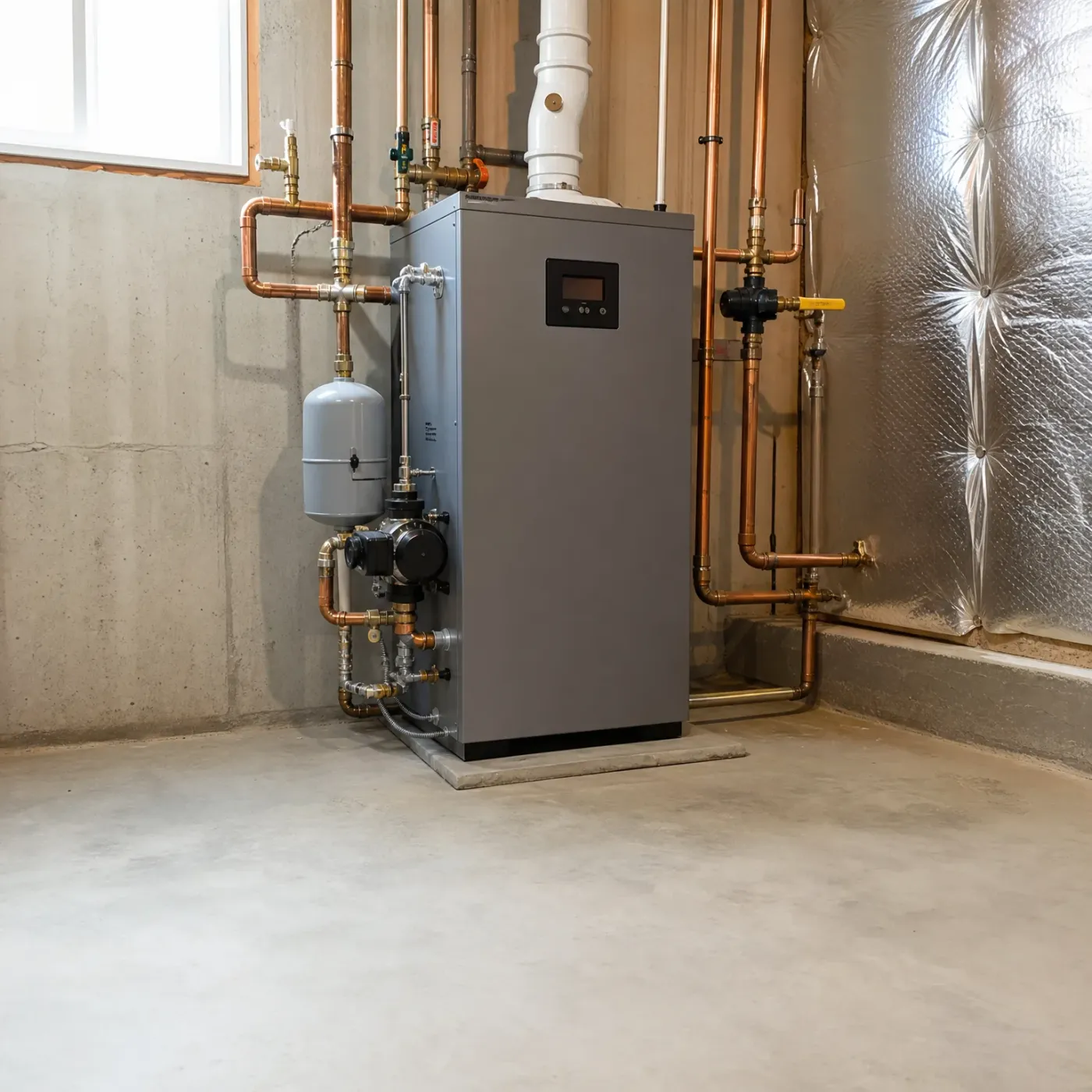
A gray boiler unit with a digital display stands on a concrete basement floor, connected to copper piping, a gas valve, a circulator pump and an expansion tank, beside a concrete wall and foil-faced insulation.
A sealed, condensing boiler like this runs clean, holds steady pressure, and the copper piping shows no sign of a leak anywhere.
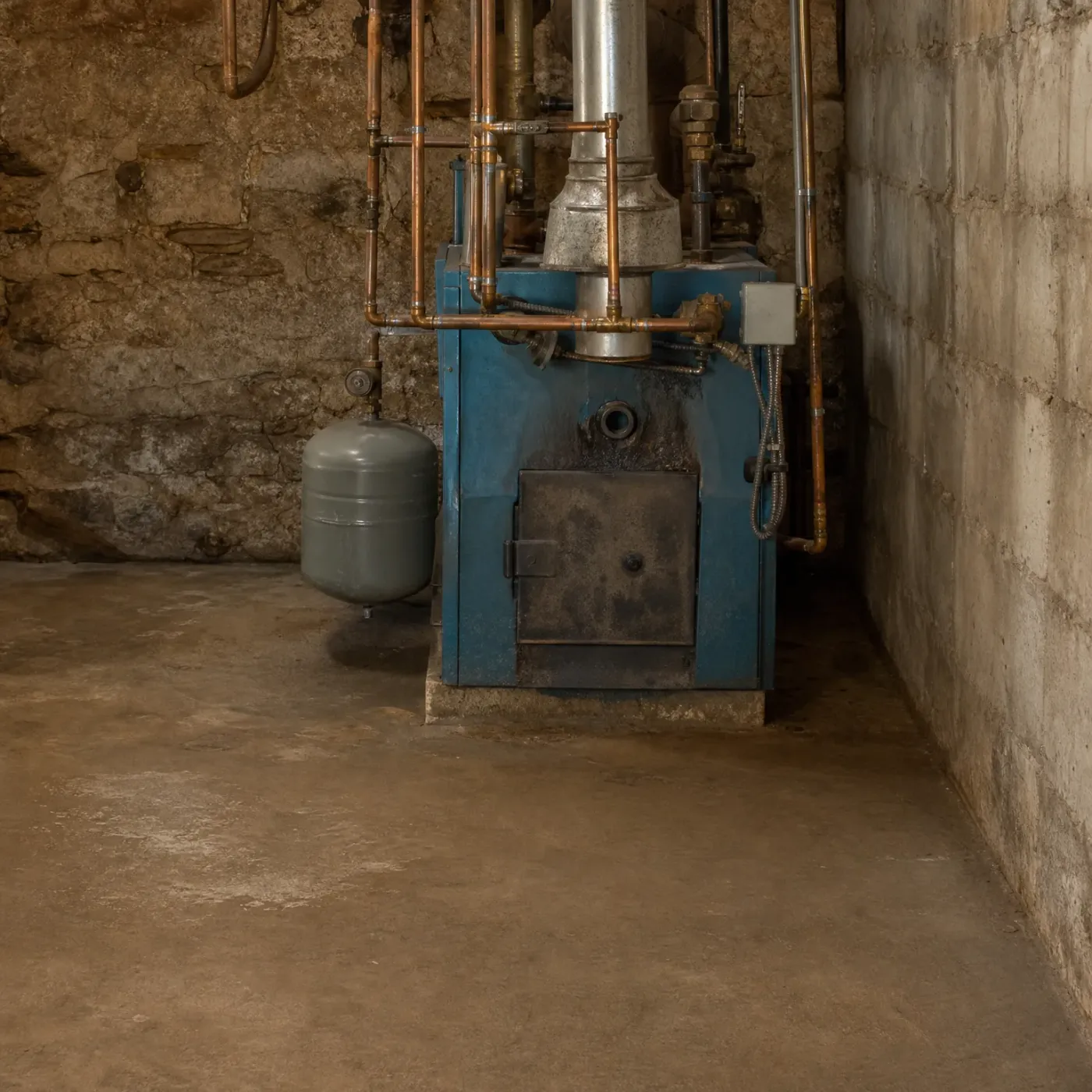
A blue cast-iron boiler with a metal flue pipe and copper piping stands against a stone and concrete block basement wall beside a gray expansion tank on a bare concrete floor.
Cast iron like this corrodes from the inside, and a boiler patched this many times is closer to its last winter than its first.
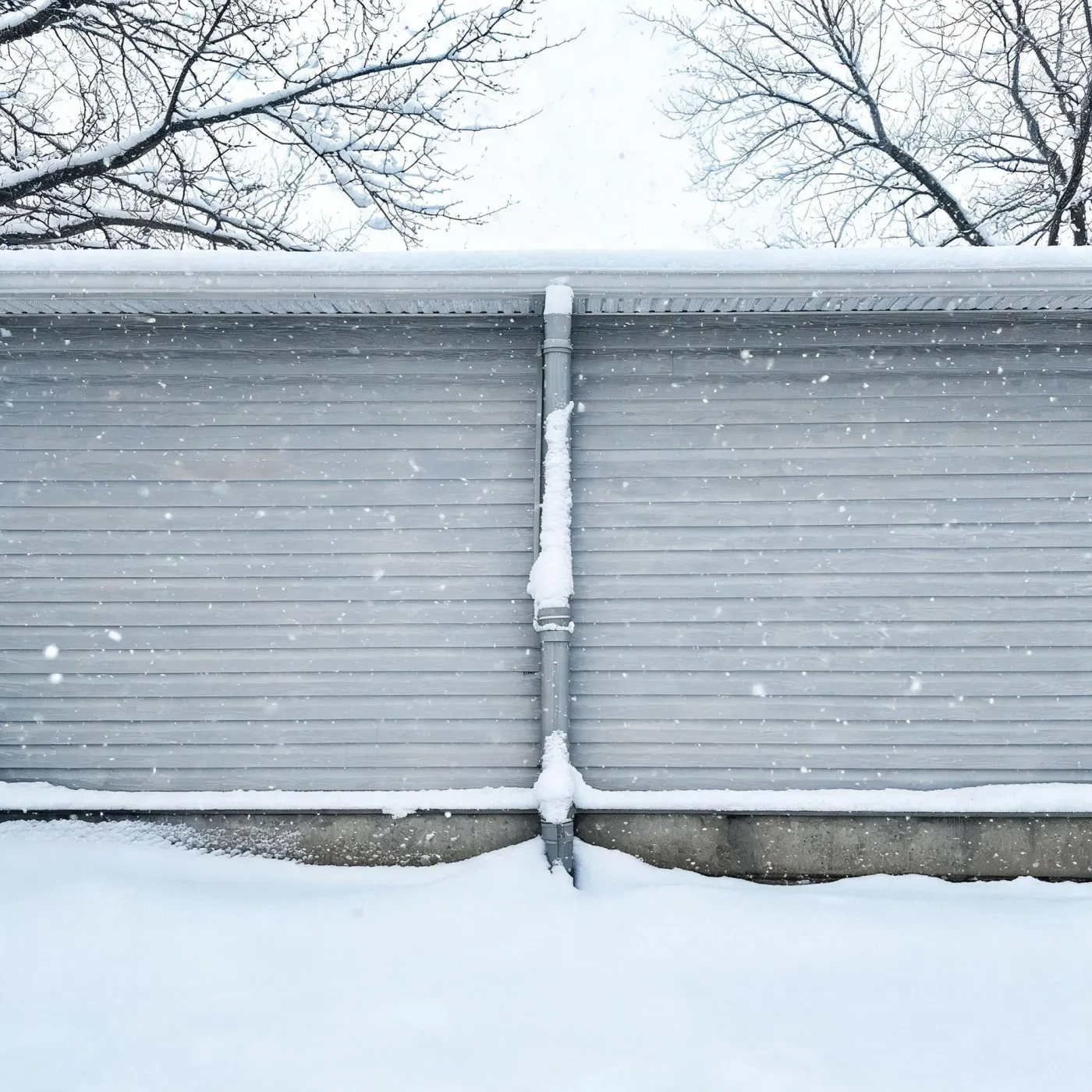
Exterior of a gray horizontal-lap-sided building with a snow-covered roof edge and a central downspout, seen during falling snow with deep snow on the ground and bare tree branches above.

Statewide, winter nights average 23°F, that's according to NOAA climate data. At that temperature your boiler isn't cycling on and off, it's running close to straight through the night just to hold the house at setpoint. A unit with a sound heat exchanger handles that fine. One that's already scaled up or weakened by age is working at its limit for hours at a stretch, and that's when a crack or a leak that's been small all fall finally shows itself. If you've noticed the house losing ground overnight even with the thermostat untouched, this is why.

NOAA nClimDiv 1991-2020 county normals weighted by homes

A boiler that keeps breaking isn't going to fix itself before the cold sets in, and by now you have a good sense of which one you're looking at, a sound unit with one bad part, or an old cast iron boiler that's had its last good winter. Either way, the answer comes from someone who sees this equipment every day in Rhode Island, not a guess made from a search result. When you send the request, it goes to one licensed local contractor, not a handful of companies competing for your callback, so you're not stuck fielding five calls and comparing strangers. The tech who shows up knows what tends to fail in a boiler that's run through winters like the one coming, and that's worth more than another quote. You've got the facts now. What's left is getting someone in front of your boiler who can tell you, for certain, which one you've got.

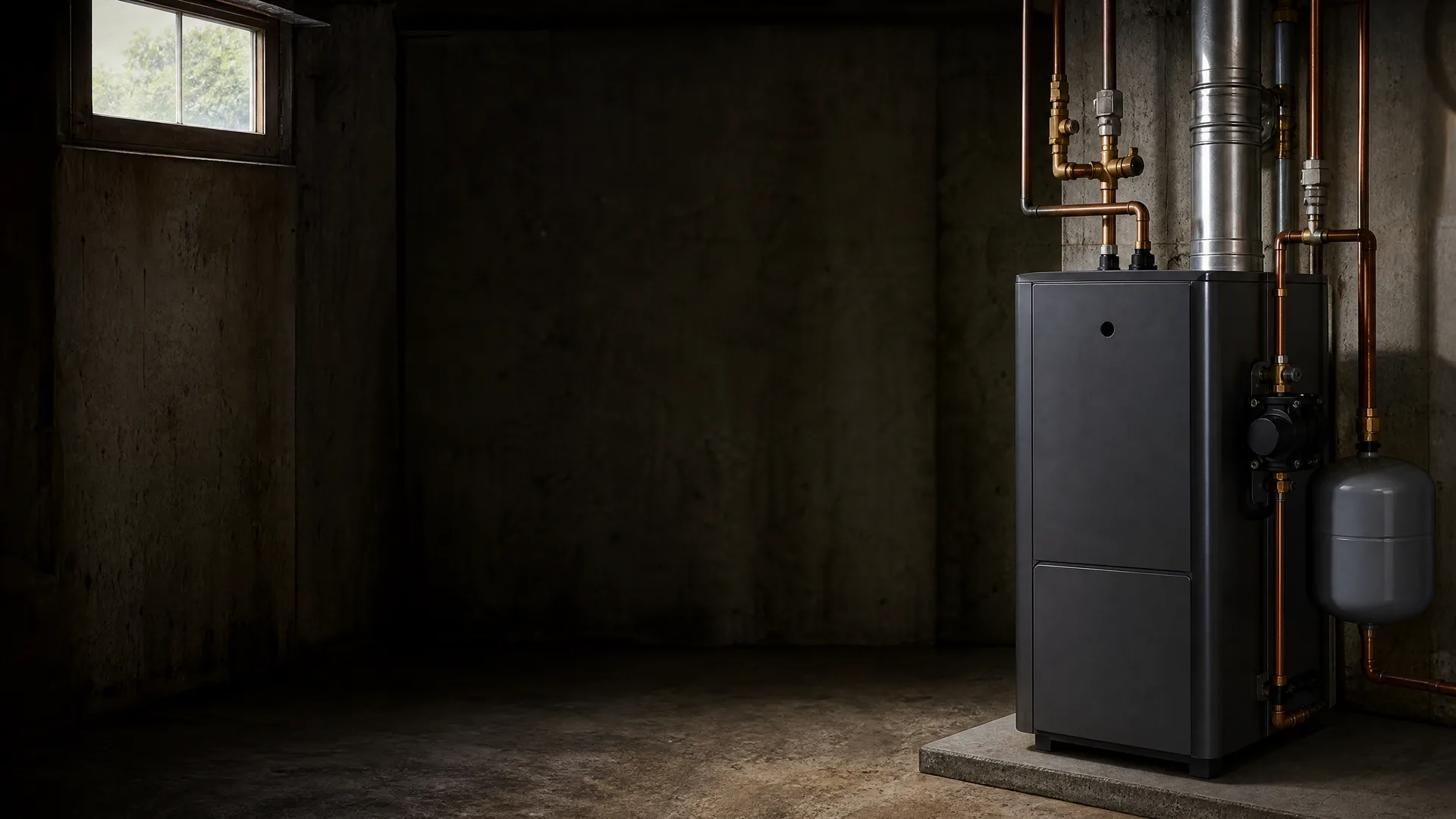
A dark grey boiler unit on a concrete pad in a dim basement, with copper pipes, a metal flue, and a grey expansion tank on the wall, and a small window with daylight on the left.

Stop chasing a boiler pro

The pro who reaches out is licensed in Rhode Island.

Step 1 of 3: Equipment