One room colder than the rest
If one radiator stays cool while the others heat up fine, that's trapped air sitting at the top of it. Bleeding that one radiator usually fixes it.

Bleed your radiators by opening the small valve at one end with a radiator key or flathead screwdriver, holding a cloth underneath, and closing it the moment water stops hissing out and starts to drip. Air gets into the system over the summer, when the boiler sits unused, and it collects at the top of each radiator. That trapped air keeps hot water from filling the whole unit, so you get a radiator that's warm at the bottom and cold at the top, or barely warm at all. Doing this before a Rhode Island winter, when you're about to depend on that heat every day from October through April, means the boiler isn't working harder than it needs to just to push water past an air pocket. Start with the radiator farthest from the boiler and work your way back toward it. If one radiator still won't heat evenly after bleeding, or the boiler's pressure keeps dropping, that usually points to something beyond trapped air.


If one radiator stays cool while the others heat up fine, that's trapped air sitting at the top of it. Bleeding that one radiator usually fixes it.
Noise from the pipes as the boiler runs often means air working its way through the system. Bleeding the radiators clears it out before it gets worse.




Bleed the radiators yourself and you catch the air before the first cold snap, while there's still time to do it room by room without the boiler running the whole time you work.
Skip it and the boiler has to push harder to heat rooms that still have air trapped in them, and with power costing what it does in Rhode Island, that's money going into noise and cold spots instead of heat.
At 23°F overnight, your boiler is running most of the night to keep up. A radiator with air trapped in it won't heat all the way, so that room loses ground fast on a night that cold. Bleeding it now means every radiator pulls its weight before the hard cold sets in.
NOAA nClimDiv 1991-2020 county normals weighted by homes
Power in Rhode Island is expensive, and electric resistance heaters are worse. When one room stays cold because a radiator is holding air, a lot of people plug in a space heater to cover the gap. Run that through a January with gas prices where they are and the electric bill for that one room can end up costing more than the gas did. Bleeding the radiator fixes the actual problem instead of paying around it every month.
Rhode Island winters don't ease in. By December the boiler is running long stretches overnight, and a radiator that is only half heating now will be fully cold at the top come January. You'll notice it fastest in whichever room you sit in most, usually the living room or a bedroom. Bleed the radiators before that first hard freeze and you're checking a few valves in a warm house, not standing over a cold one trying to figure out why a room won't heat.
You bleed a radiator and water sputters out along with the air, every year about the same time. It makes you wonder where that air keeps coming from, since the system is sealed and nobody's opening it up.
The water in a boiler system holds dissolved air, the same way any water does. Every time the boiler fires and heats that water, some of the air comes out of solution, the same thing that happens when a pot on the stove starts to steam. That air rises, because it's lighter than water, and it ends up at the highest point it can reach, which in a radiator is right at the top, behind the bleed valve. A pinhole in a fitting or a joint that isn't quite tight can let a small amount of outside air in too, though most of what you're letting out built up from the water itself, cycle after cycle, over the months the boiler sat idle through summer.
Shut the boiler off and let the system sit still
Turn off each radiator valve starting with the one farthest from the boiler
Open the bleed valve with a key and let trapped air hiss out
Close the valve the instant water replaces air at the opening


After you send the request, you're done searching.
You only hire the pro if you want to.
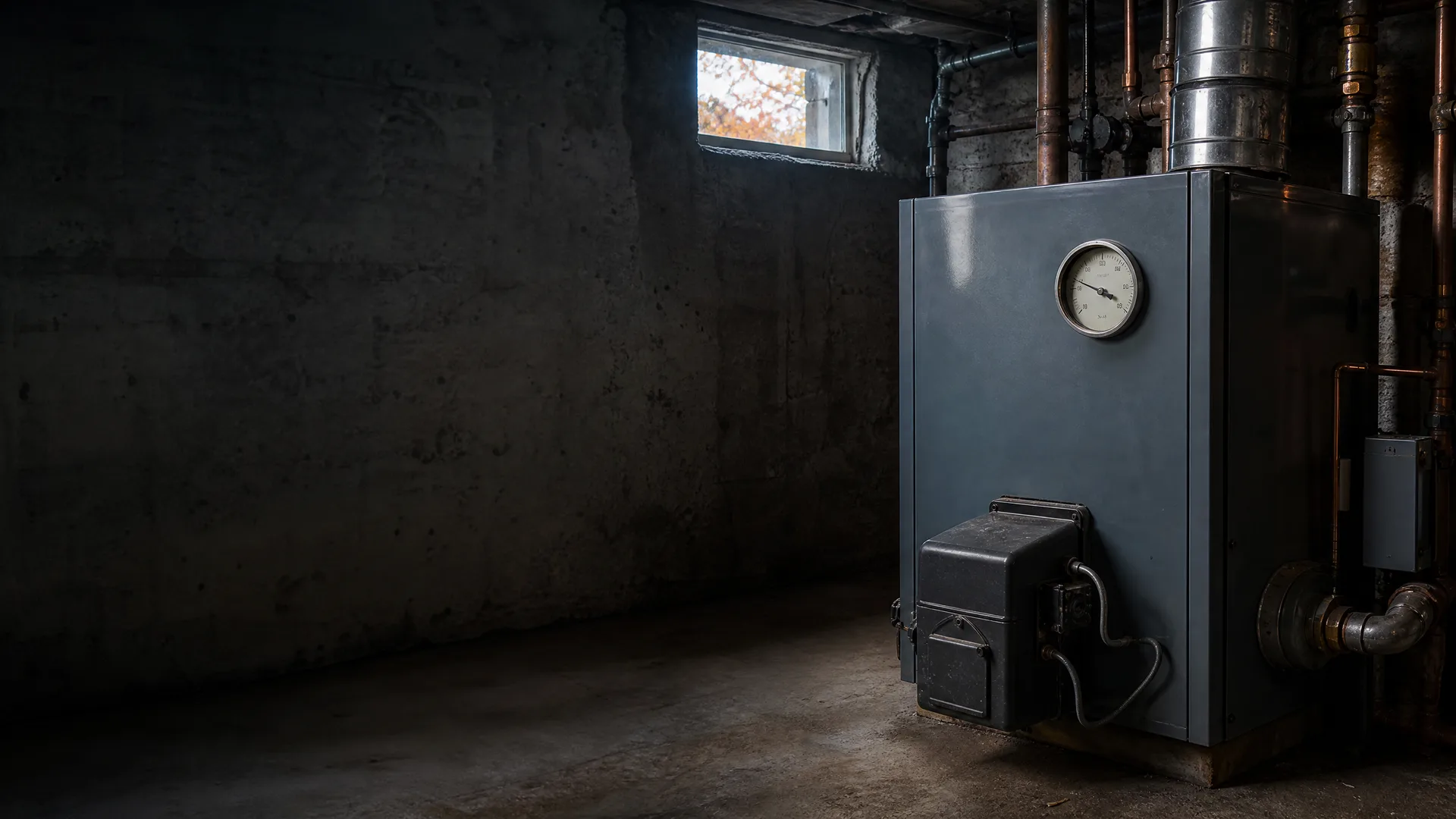
The basement is cool and a little damp, the way it gets once October sets in. You're down there with a flashlight because the dryer buzzed and you had a minute. The boiler sits quiet, its round gauge low on the dial, needle resting well under where it should sit. Upstairs, the living room radiator ticked a few times this morning and never got past lukewarm. You crouch by the boiler, cloth in one hand, radiator key in the other, and you can hear the furnace fan next door kick on then off. Somewhere above you, a pipe knocks once. You straighten up, key in your pocket, and head for the stairs to start with the farthest radiator first.

A radiator that won't fully heat is easy to live with in October and harder to live with in January. You close that bedroom door, or you just accept the chill, and the room stops being one you use the way you used to. That's a real cost even before the boiler runs any harder for it.
If this is more than one radiator, or the air keeps coming back within a season, that points to something beyond normal air buildup, maybe a leak or a pressure problem worth having a boiler tech look at while they're there. You don't have to sort out which it is on your own. Once you send the request, a contractor who handles boiler maintenance in your area gets in touch, and figuring out the rest becomes their job instead of yours.

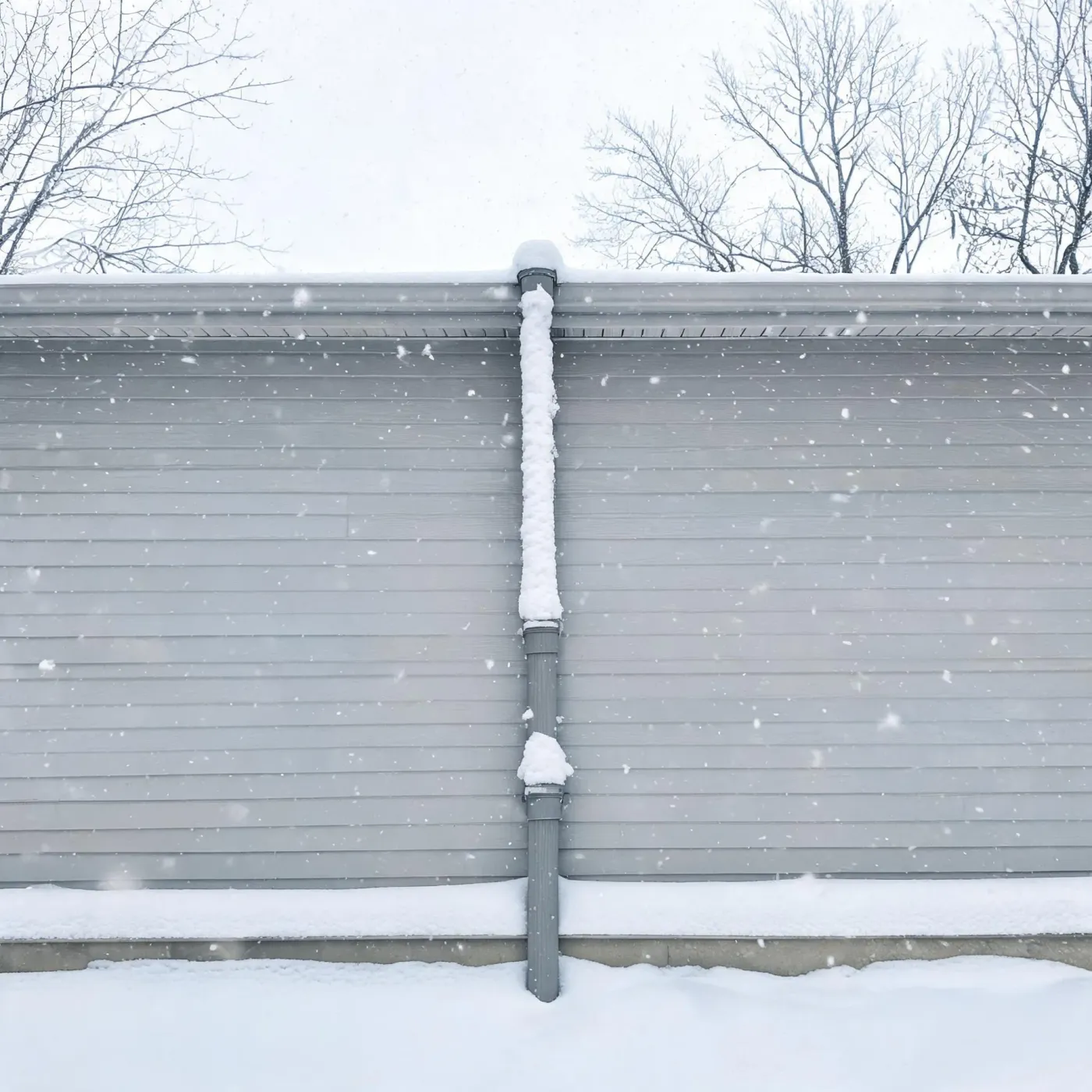
Statewide, winter nights here average 23°F, according to NOAA climate data. That's the kind of cold where your boiler stops cycling on and off and just runs, trying to hold the house steady until morning. Any radiator still holding air from the summer can't keep up on a night like that. It'll feel lukewarm at the bottom even while the boiler is working hard, and the room it heats will fall behind the rest of the house. Bleeding the radiators before that first real cold snap means the boiler isn't fighting trapped air on the nights it can least afford to.
NOAA nClimDiv 1991-2020 county normals weighted by homes
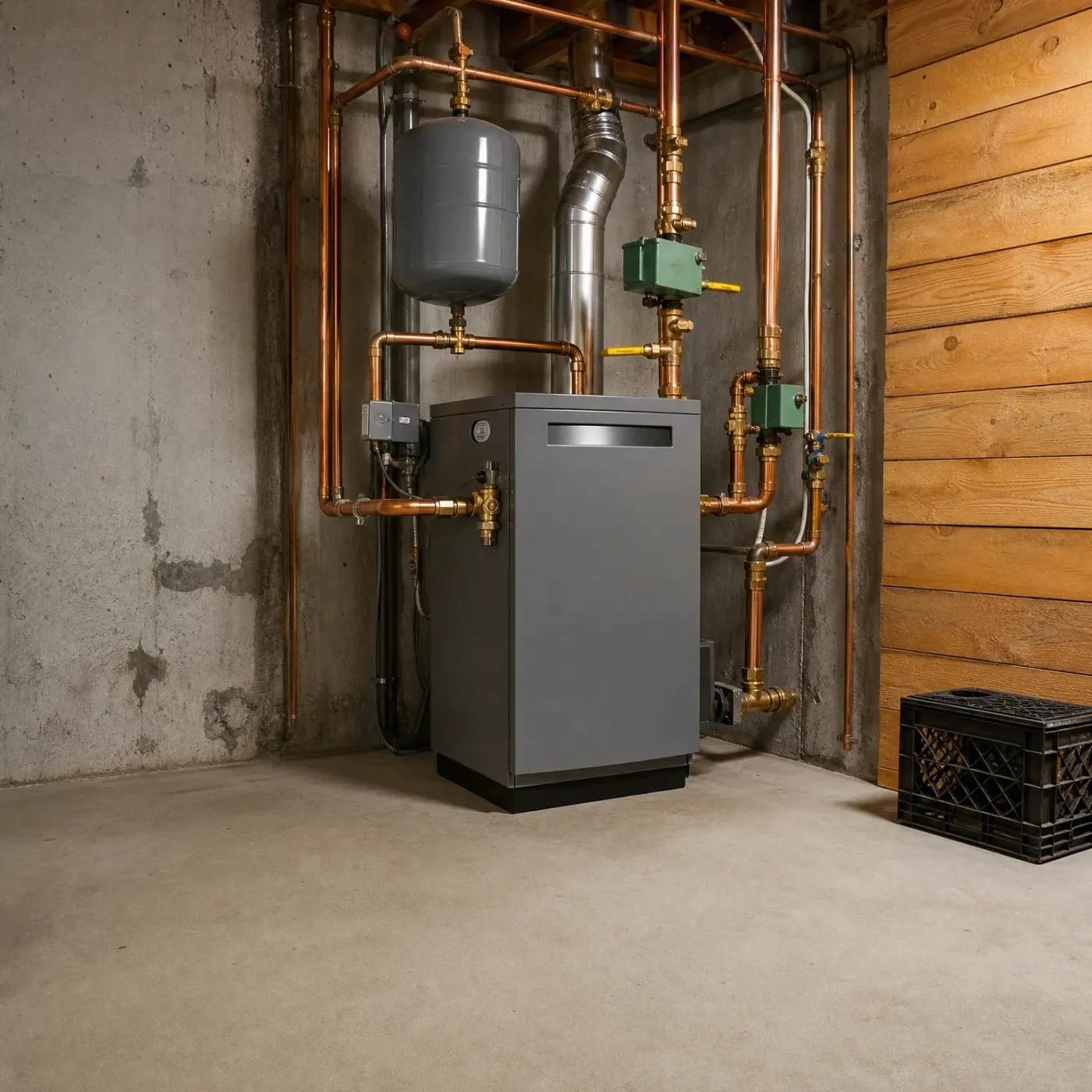
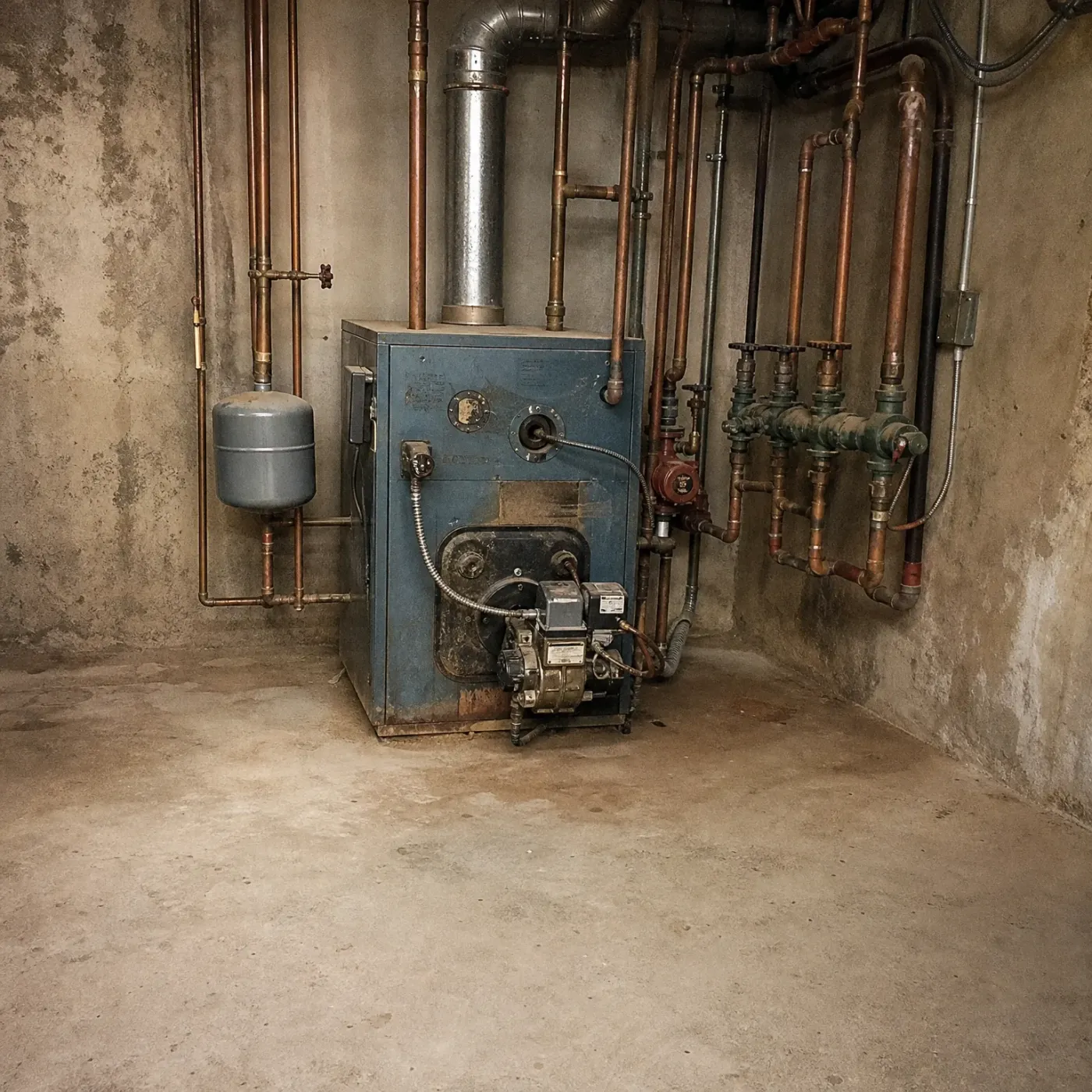
Air works its way into the system every summer while the boiler sits idle, and it collects at the top of whatever radiator is in its path. Opening that small valve lets it out. You hear the hiss change to a drip and you close it, and that radiator is done. There's no part to order and no boiler to shut down for the day. Go room by room with the key before the cold settles in for good, not just in the room that's been acting up, because a radiator can be half full of air and still put out some heat. It's the full one that holds the whole room.
Once every radiator in the house is clear, the boiler isn't fighting itself anymore. Heat moves through the lines the way the system was built to move it, and a night at 23°F doesn't turn into one cold bedroom and a space heater running up the bill. That's the difference between a system working the way it should and one quietly working around a problem nobody looked at.
If a radiator stays cold after you've bled it, that's not air anymore. It's a closed valve somewhere in the line, a circulator losing strength, or a zone that isn't balanced against the rest of the house. That's a few minutes of looking a contractor can do, and once you send in what's going on, you're not the one who has to track that down. It's off your plate.

Send the form, and lining up the boiler tune-up stops being yours to chase.
Asking costs nothing, and the choice to hire stays yours.